
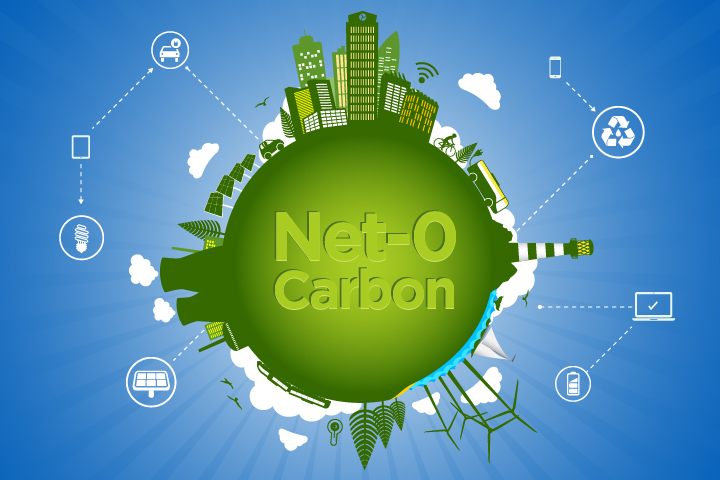
Imagine a world powered entirely by renewable energy sources like wind, water, sun, and plants. This sounds wonderful, but the issue is whether it’s a plausible scenario for our planet. The growing debate revolves around the transition to changing our ways of production to using these new carbon-less methods. It’s not about whether to go to zero carbon, but how to get there.
Also, the problem that divides the world in political terms is between people who will accept the urgency of this growing issue, and those who will not do this. Mainly speaking, those who are democratic will tend to promote candidates and policies that will lead to combating climate change more than republicans will. Although many Americans have come to realize how drastic a situation we have on our hands, we need nearly everyone to be on board in order to create enough change that will save our planet before there is no turning back. In an article by Brian Kennedy and Courtney Johnson and The Pew Research Center, they take a look at the views of democrats and republicans about the general problem of climate change and global warming. Most democrats feel that the government is doing too little to combat the effects of global climate change, and that there needs to be immediate change in our regulations of current emissions into the atmosphere. Then, republicans are very skeptical about how these policies will actually create change once they are put into action. Many feel that they hurt the economy to a great extent, and are therefore useless. This political debate makes it very hard for things to get done to benefit our planet, but this is why individuals are pushing for new ways to both save our planet, while maintaining a stable economy at the same time. This is the where renewable energy sources debate comes in to play.
Why Renewable Energy Sources will Save our Planet
One article written by Sarah Zielinski outlines how, The U.S. Could Switch to Mostly Renewable Energy, No Batteries Needed. She speaks about how the resources that we currently have will allow us to be able to, “mitigate carbon dioxide emissions without doubling or tripling the cost of electricity” (Zielinski). The issue that is prevalent in this debate is also the availability of these renewable sources, as they are dependent on the weather. To combat this, individuals are looking into ways that incorporate renewable energy around given countries, and allows for easy transmission all over the place. This would mean, ” a windy day in North Dakota could power a cloudy, calm day in New York” (Zielinski). Some states are already headed down a path to partake in theses carbon reducing exercises in order to save money in the longer run, while drastically reducing carbon emissions.
Moving towards renewable energy production methods not only can help to maintain our planet drastically, but the amount of jobs it can create is overwhelming too. In a report from ThinkProgress and NextGen Climate America, “renewable sources of electricity, and fuel switching — such as moving from fossil fuel-powered cars to electric vehicles — would add a million jobs by 2030, and roughly 2 million jobs by 2050, while increasing GDP by $290 billion and improving household income” (NextGen). This is a huge factor in this discussion since many are worried that our economy will fall by implementing these new changes to production. This article definitely wanted to use their facts and information to back up their ideas appealing to ethos. This was easily seen through all the quotes from research conducted by other groups. It really made the article seem very intelligent and trustworthy as well.
The World Wildlife Fund promotes the idea of using renewable energy and discussed how important these sources are in the fight against climate change. They state how, “There is no path to protecting the climate without dramatically changing how we produce and use electricity” (WWF). Not only do we need to use renewable energy sources, but they even outline how much the common home energy bill will decrease from beginning to use these new ways of creating electricity. However, this group fails to even bring up the economy and any issues surrounding the opposing side causing it to lose a bit of its credibility. Then again, the article is clearly used to shine light on the growing issue and how we need people to act immediately if we want to see a change in the future. It definitely targeted pathos and appealing to people’s emotions in order to convince them to act.

Renewable Energy Won’t Change the World
On the other side of this debate, you have many people discussing how Renewable Energy Won’t Change the World, and will not solve our issues. There is much more that needs to take place in order for these changes to be effective. Quintavalle uses his article to state how the transition away from fossil fuels bring its own dangers and even goes as far to say, “We are not replacing fossil fuels with renewables; we are just adding them on top” (Quintavalle). He promotes the idea that we need to focus more on regulations regarding energy usage and air pollution. This is the general feeling that republicans get when talking about climate change and new ways of operating. Many feel that simply changing our methods of production will not solve the problems we need it to solve making them hesitant in promoting these ideas.
As people continue to discuss the issue surrounding climate change, conversations that are brought up include new ideas on how to solve this problem. For example, in his TEDx talk, Michael Shellenberger outlines how renewables will not be able to save the planet. He dedicated much of his life to researching ways to help out our planet and reduce carbon emissions for the future, and in doing so, he discovered many problems with renewable energy sources. There is so much land needed in producing energy from wind turbines and solar panels which in turn ends up creating many problems of their own. He uses his platform to promote the idea of nuclear energy, and in his opinion this is the most efficient and safest way to transform our current modes of creating energy to ways that will save our planet down the road. This TEDx talk was very compelling and the way I saw this debate definitely shifted a bit after watching this. It clearly showed how even if you are against renewable energy, it does not mean that you are against promoting safe ways to transition our world to newer methods of production with less emissions. Shellenberger brings so much credibility to this conversation as he is an energy expert who has spent so much of his time evaluating the many methods that could help to reduce carbon emissions into the atmosphere.
Conclusion
In closing, this debate will continue to go on until people can come together to realize the scale of the problem that our entire world is facing for the future, and how action needs to take place now. Whether we do end up using renewable energy sources, or find ways to alter carbon emissions in other ways, something needs to take place immediately. This discussion is very important in our society and you can clearly see the pathos that is brought up when looking at what our planet could turn into down the road. These articles and sources used throughout my writing each clearly had some sort of bias towards what is going on and what should be done about it. This can cause readers to believe everything they are reading on one site and discourage them from looking deeper and understanding the true concepts of the discussion. I wanted to write about the topic of renewable energy sources in moving to zero carbon emissions because of how important this discussion is in our world today. We take so much of our life for granted and rarely stop to think about what we would do if it was taken away from us down the road. That is the problem our planet will face if people don’t think about acting now to reduce these deadly emissions into our atmosphere.
Work Cited:
Herzog, Katie. “Moving to Renewable Energy Would Create Millions of Jobs, Study Finds.” Grist, 11 Nov. 2015, grist.org/article/moving-to-renewable-energy-would-create-millions-of-jobs-study-finds/.
Kennedy, Brian, and Courtney Johnson. “More Americans See Climate Change as a Priority, but Democrats Are Much More Concerned than Republicans.” Pew Research Center, Pew Research Center, 28 Aug. 2020, http://www.pewresearch.org/fact-tank/2020/02/28/more-americans-see-climate-change-as-a-priority-but-democrats-are-much-more-concerned-than-republicans/.
Quintavalle, Rufo, and Rufo Quintavalle is a writer. “Renewable Energy Won’t Change the World (SSIR).” Stanford Social Innovation Review: Informing and Inspiring Leaders of Social Change, ssir.org/articles/entry/renewable_energy_wont_change_the_world.
Roberts, David. “A Beginner’s Guide to the Debate over 100% Renewable Energy.” Vox, Vox, 4 Apr. 2017, http://www.vox.com/energy-and-environment/2017/4/4/14942764/100-renewable-energy-debate.
Zielinski, Sarah. “The U.S. Could Switch to Mostly Renewable Energy, No Batteries Needed.” Smithsonian.com, Smithsonian Institution, 25 Jan. 2016, http://www.smithsonianmag.com/science-nature/us-could-switch-mostly-renewable-energy-no-batteries-needed-180957925/.
 Cosner Rhetoric