
By: Brooke Born
Euthanasia
The debate continues whether physician assisted death (PAD) or otherwise known as euthanasia should be allowed. Euthanasia is the termination of one’s own life often permitted by the patient or by another appropriate person, on behalf of the patient to be prescribed a lethal medication with the assistance of a physician. Euthanasia has been an emotional and controversial topic sense the 1800’s. In the 1870’s, Samuel Williams proposed using anesthetics and morphine to end a patient’s life. This began an ongoing debate that is continued today. The Morals and Ethics of this practice are extensive and complex. Currently in the United States, euthanasia is legal In Washington, Oregon, California, Colorado, Montana, Vermont, Washington D.C and Hawaii. Outside of the United States it is legal In Switzerland, Germany, Japan, The Netherlands, Belgium, Luxembourg, Colombia and Canada. Each of these states and countries have their own legal requirements for euthanasia. Although different states and countries have their own ethical and unethical reasons for euthanasia being legal or illegal there will always be a debate that is personal to a person’s specific ideology. There will never be a complete and accurate answer to this debate. People are all devoted to their own cultural, religious, and traditional beliefs. This is what makes the euthanasia topic so divergent amongst different individuals. This leads us to the underlying debated question. Should euthanasia or otherwise known as physician assisted death (PAD) be legal?

The Antidote: Euthanasia
An article called “Euthanasia for emotional pain” Mercy or a “Culture of death?” by Mary Elizabeth Williams talks about a transgender woman named Nathan Verhelst who ended his life with a lethal cocktail of medication. Mary Elizabeth Williams explains that “he did so with a doctors assistance and his governments blessing.” His death brought up many ethical debates around euthanasia and whether it should be legal. In Williams article she explains how “For most of us, the instinct to cling to life is so deep that helping another human being end it seems unthinkable.” Williams is right in her belief that the thought of killing a loved one is a difficult topic to talk about for anyone. No one wants to imagine someone being killed under any circumstance. She also mentions how Verhelst was very depressed and if he had been treated with more “compassion from the beginning” he would have been less likely to have been depressed. This leads to the topic brought up by Bioethicist Arthur Caplan who told NBC “When you move away from the realm of terminal illness, toward judgments about suffering, you are starting down a very dangerous path and one that’s extremely slippery.” Marginalized people do not want to feel as if their life is any less valuable than someone else’s. Although euthanasia is mostly connected to terminally ill people over the age of 60 there are cases of euthanasia being used on people for psychological reasons. William ends her article by bringing up a traumatic remembrance of one of her dear friends that killed herself. She says that “the one thing that gives me peace is the hope that in the end, she found a release from the mental torment that made her life unbearable.” It is extremely hard to understand what somebody is going through. “Suffering exists on a continuum” as William puts it, and it is impossible to understand what somebody is going through without experiencing It. It is possible that euthanasia relieves a patient from torment similar to how a prisoner feels relief from being released on bail. Whether it is a terminal illness, or a psychological illness, life and death choices are a hard topic to contemplate and nobody will understand it until they have experienced It themselves. That is why the debate should be left to the person dealing with the personal illness.
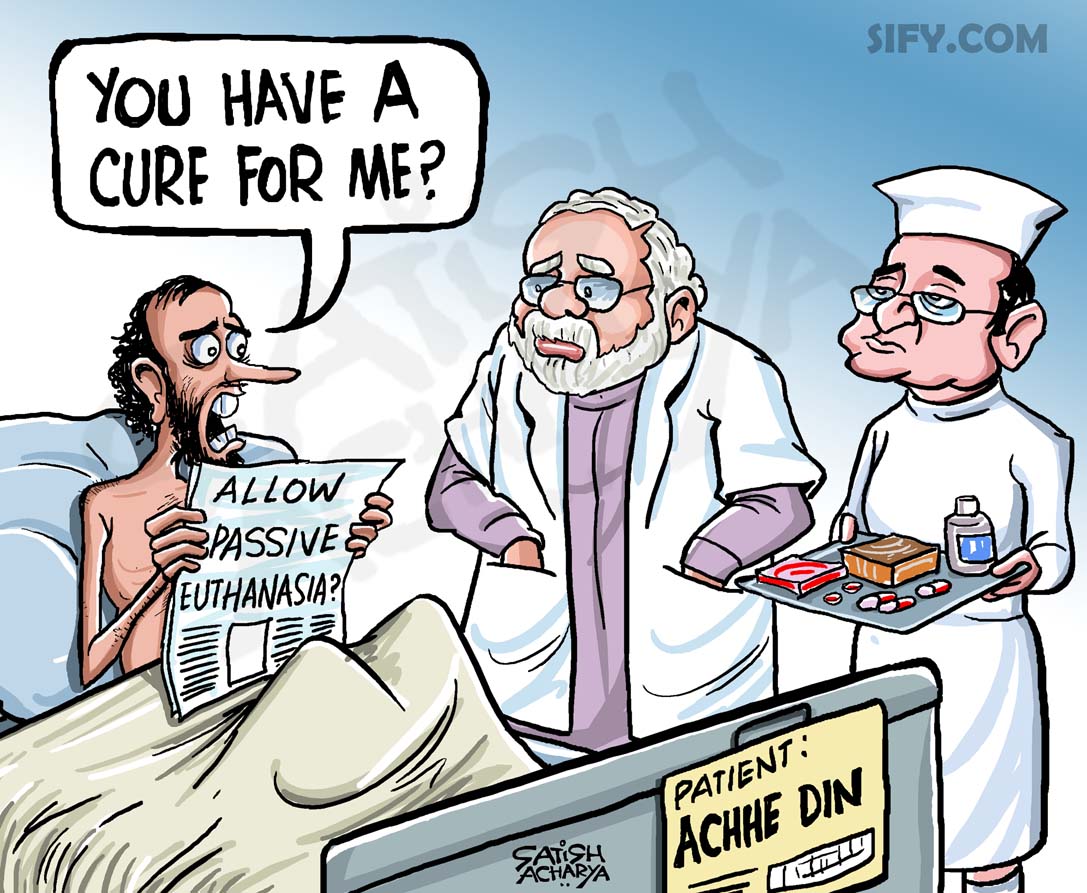
In the article “Why I hope to Die at 75” Ezekiel J. Emanuel says “Thats how long I want to live: 75 years.” He explains how most of his family thinks that he is crazy. He says “death, is a loss” it deprives us of many things such as milestones we would like to achieve but he also believes “living too long is also a loss.” The longer we live the more likely people will see us as disabled and unflattering. We are less likely to be “vibrant and engaged” as Emanuel puts it. His article relates to euthanasia because many people believe that patients are vulnerable to the affirmation of others. A concern that is withheld is that patients may be concerned that they believe their life has become a burden and that physicians influence a patient’s “own thinking” as The World Medical Journal Explains. People believe that if they are seen as “disabled” and “unflattering” that euthanasia may be the only option to an end. Although this is a debated topic many people have similar thoughts as Emanuel. They believe that if they live to a certain age, they will have “pursued” all their “life projects” and “contributions” without “Physical or mental limitations.” Although he feels this way, he also believes that euthanasia is not the best form of death because “People who want to die in one of these ways tend to suffer not from unremitting pain but from depression, hopelessness, and fear of losing their dignity and control.” Which may or may not be able to be treated with specific therapies and support. He believes we should “Focus on giving all terminally ill people a good, compassionate death—not euthanasia or assisted suicide for a tiny minority.” The argument will remain whether euthanasia should be legal or not, but his article gives space for people to discuss their own opinions on this exceedingly divergent issue. Terminally ill people may believe that they have accomplished all their life goals and feel that euthanasia is an adequate decision or that it will lead to a personal death that is unforgiving and uncompassionate. Although he brings up a good point, it is still arguable that a person that has a debilitating illness should decide on their own wether they feel euthanasia is right for them.
Euthanasia will always be a divergent topic amongst different individuals and people will have to decide on their own whether it should be legal or illegal. Williams article is a good example of how the act of someone being killed can be a difficult topic to discuss. She ends the article with a personal event that occurred in her life where a close friend of hers committed suicide. She explains how the one thing that gives her peace is that in the end her friend has found a release from a “mental torment that made her life unbearable.” Euthanasia can be a very troubling topic but individuals that are not currently experiencing a terminal or psychological illness will never understand the continuous suffering that these people experience. Euthanasia allows for people to end torment and suffering and experience a release that can only be achieved from physician assisted suicide (PAD). Ezekiel also brings up a good point in his article where he mentions that we should focus on giving the terminally ill “a good, compassionate death” but some people may never be able to experience this due to their debilitating disease. Similar to Ezekiel people may also believe that by a certain age they have accomplished all their significant milestones which makes dying at a certain age not as traumatic. In Williams article it states that “Belgian Evaluation Commission for Euthanasia says the majority of applicants for euthanasia are over age 60 and more than 75 percent have terminal cancer.” This means that a majority of applicants have come to an age where they have accomplished the majority of their life contributions and goals. In the end the argument against euthanasia comes down to a person’s own personal, cultural, religious, and traditional beliefs.
What It Comes Down to
Death will be a traumatic topic to talk about whether you believe euthanasia should be legal or not. Although euthanasia is seen by several individuals to be inhuman and solely based on a person’s specific mental state. It can also be a release for many people that are stuck in a never-ending cycle of distress. Euthanasia or otherwise known as physician assisted death (PAD) includes positives and negatives. A positive may include a release from a personal torment and a negative may include a needless death that was based solely on a patients personal psychological illness. It is believed by some people that euthanasia should not be used on a patient that is psychologically ill because there is a possibility that they could be rehabilitated. On the otherhand it can be argued that the issue should not be decided by the people unaffected, but rather the decision should specifically lie with the terminally and psychologically ill.

Euthanasia will forever be a divided topic and no specific answer will ever be correct. Many people will argue it should be based on ethics, but personally I believe it comes down to the argument of whether it lies in your personal, cultural, religious, and traditional beliefs. This leads the reader to decide whether they believe euthanasia or otherwise known as physician assisted death (PAD) should be allowed. This brings me to the question that I would Like to ask you. Do you believe a person that is suffering with a terminal or psychological illness should be able to choose life vs. death?
Works Cited
Holland, Kimberly. “What Is Euthanasia? Types, Legal Status, Facts, Controversy, And.” Healthline, Healthline Media, 1 June 2019, www.healthline.com/health/what-is-euthanasia.
Story by Ezekiel J. Emanuel, Ezikel. “Why I Hope to Die at 75.” The Atlantic, Atlantic Media Company, 16 Apr. 2018, www.theatlantic.com/magazine/archive/2014/10/why-i-hope-to-die-at-75/379329/.
Williams, Mary Elizabeth. “Euthanasia for Emotional Pain: Mercy or a ‘Culture of Death’?” Salon, Salon.com, 8 Oct. 2013, www.salon.com/2013/10/07/euthanasia_for_emotional_pain_mercy_or_a_culture_of_death/.
Goligher, Ewan, et al. “Euthansia and Physician-Assisted Suicide Are Unethical Acts.” The World Medical Journal, 2020, www.healthprofessionalssayno.info/uploads/1/0/9/2/109258189/wma_article_against_pase.pdf.
“World News.” NBCNews.com, NBCUniversal News Group, www.nbcnews.com/world?lite.
 Cosner Rhetoric