
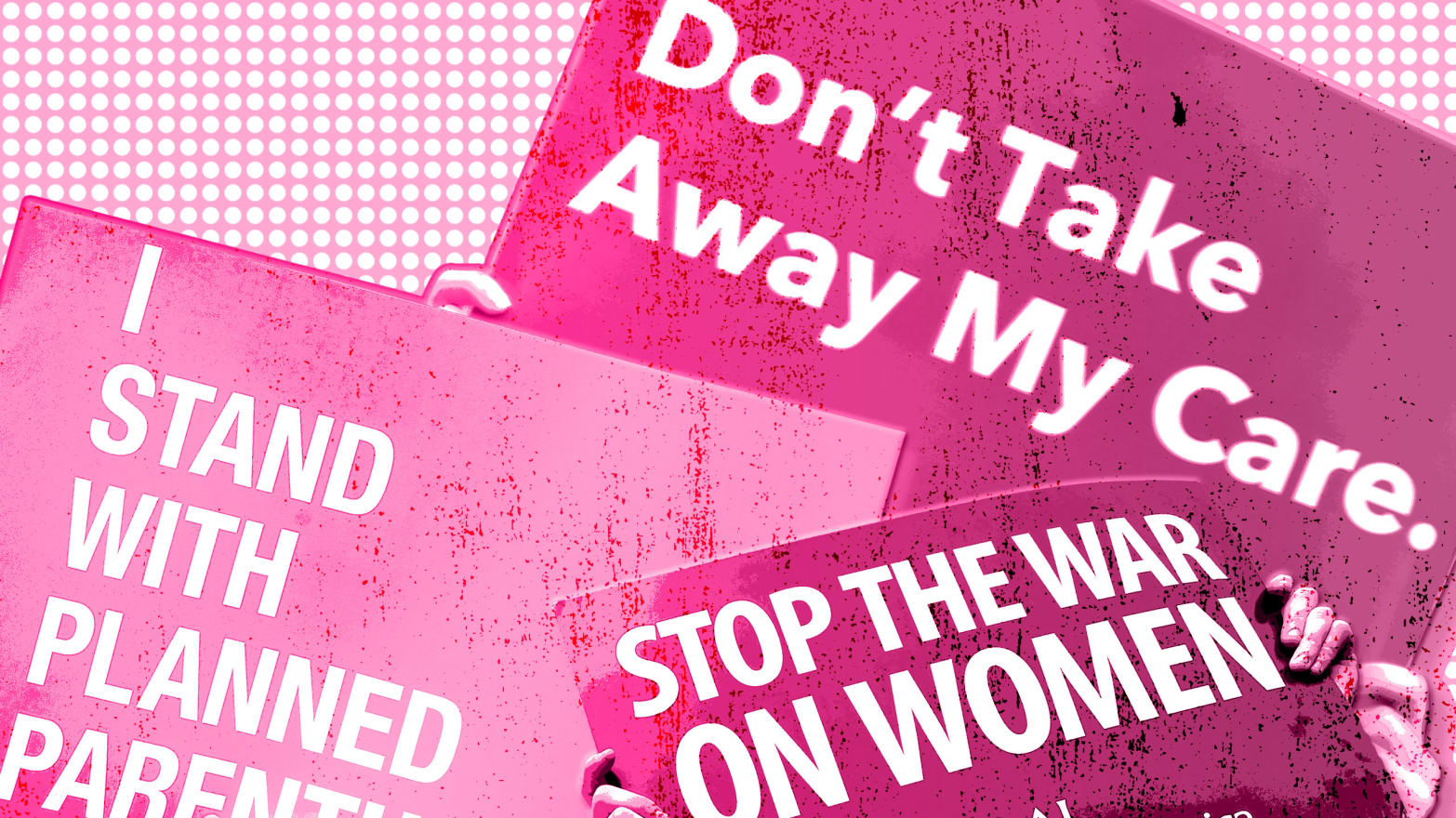
Planned Parenthood is a non-profit organization that almost everybody living in America has heard about. Most people likely have a strong opinion on the organization and its services offered, thus making it one of the most current, hotly-debated topics. Planned Parenthood is an organization that, according to its official website, “delivers vital reproductive health care, sex education, and information to millions of women, men, and young people worldwide.” Perhaps the most well-known of the many services Planned Parenthood offers is abortion, particularly for teens and young adults. This is the issue that is the root cause of debate, as people argue about women’s rights for their own bodies in contrast to the rights of an unborn child. However, despite the abortion debate taking up most of the spotlight in the entirety of Planned Parenthood, there are many services offered for people who otherwise could not receive healthcare such as cancer screenings, STD screenings, and vaccinations. With all of this information in mind, there are many complex viewpoints and perspectives to explore about this organization.
What different viewpoints are there for Planned Parenthood?
Although every person’s opinions vary slightly, the main viewpoints on Planned Parenthood can be placed into one of three different categories:
- People know that planned parenthood does abortions, and they support this and their services
- People know that planned parenthood does abortions, and they think this is wrong and thus don’t support planned parenthood at all
- People know that planned parenthood does abortions, don’t agree, but support their providing of other beneficial services to both men and women who can’t afford healthcare
These perspectives can be described as more liberal, more conservative, and then somewhere between the former two, respectively. Even without these assigned labels and affiliations, there are a variety reasons for which each perspective is supported. Although the superficial debate is if people should support Planned Parenthood and its services, when looking deeper into each topic, it leads to the questioning of people’s rights to express their religion, pay taxes, and ultimately if abortion and related services can and should be controlled by the government. There are many complex questions associated with these ideas, but most viewpoints fall into one of the three categories below.
1. Why people support Planned Parenthood and all of its services
The Planned Parenthood website provides in-depth detailing of their services, including everything from sexual and reproductive health services to information on more general, important health topics such as depression, diabetes, and hypertension. As they say in their mission statement, “The mission of Planned Parenthood is to provide comprehensive reproductive and complementary health care services in settings which preserve and protect the essential privacy and rights of each individual.” Men and women of all ages, backgrounds, and ethnicities can access Planned Parenthood’s services in an environment that they describe as non-judgmental and affordable. They are currently expanding their global health front through a program called Planned Parenthood Global, which works in countries in Africa and Latin America to educate and provide sexual healthcare services and information.
Although their website itself describes the large variety of expert medical care offered, most people tend to associate Planned Parenthood with young women receiving birth control and abortions. They boast the position of being “the nation’s leading sexual and reproductive health care provider, and the nation’s largest provider of sex education.” When a young woman goes to the clinic, Planned Parenthood has the ability to perform an abortion, conduct an abortion referral if abortions are not performed at that particular location, and administer emergency contraception. They offer both a pill and in-clinic abortion as “a safe and legal way to end pregnancy,” which is what 3 in 10 women in the U.S. will use by the time they are 45 years old.

2. Why people do not support Planned Parenthood or any of its services
To put it simply, many people do not support Planned Parenthood because they perform abortions. Although Planned Parenthood offers a large variety of other medical services for groups of people who otherwise have financial or otherwise difficult situations for receiving care, people may not support Planned Parenthood either because of opposing personal religious beliefs or because federal tax dollars support the institution (or a combination of both). According to an article by The New York Times entitled “Trump Administration Blocks Funds for Planned Parenthood and Others Over Abortion Referrals,” a new rule will prevent any organization that receives money through a program called Title X (including Planned Parenthood) are not able to refer patients for an abortion or perform an abortion in the same clinic/facility. This reform has the potential to lead more people to support Planned Parenthood if they did not support it simply because of its abortion practices.
There is also a financial aspect to this debate. In an article by Newsweek, they highlighted an interesting tweet by someone using the hashtag “#StandWithPP”: “If liberals really #StandWithPP why don’t they donate themselves rather than forcing all Americans to pay.” This represents the idea that not everyone should have to use government funding through Title X or any other program to support practices not everybody believes in or with which they agree. Thus, both religious/moral beliefs and disagreements with government funding prevent people from supporting Planned Parenthood.
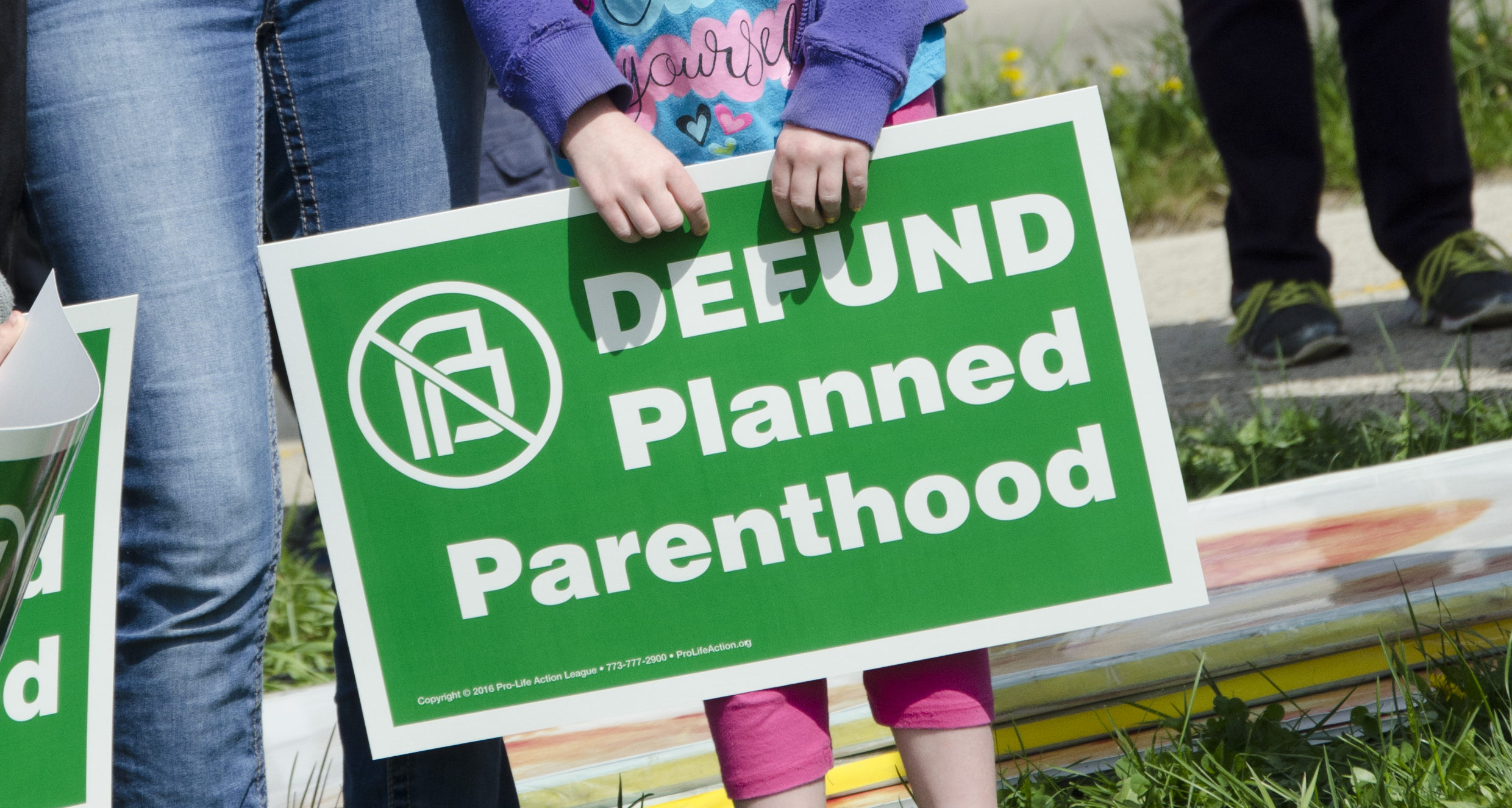
3. Why people support Planned Parenthood and its services excluding abortion
Some people who morally/religiously disagree with abortion are still in support of the other health services they provide, whether that be related to sexual and reproductive health or more general care. According to an article by Newsweek, an interesting point is raised by Dr. Carrie Pierce, a physician who performs abortions in Oregon: “Closing Planned Parenthood would make an increase in abortions more likely… because the organization also provides contraception and standard women’s health care.” People who do not agree that abortions should be performed may agree that the contraception and other healthcare provided by Planned Parenthood can prevent the need for abortions. In addition to contraception, services such as cancer screenings, colonoscopies, and other important healthcare practices are offered that some people normally could not afford. This perspective of partial support for Planned Parenthood is perhaps the most complex, because it is the most relative to the individual person. It may call someone to disagree with abortion but feel that the other services provided are important enough to outweigh their uneasiness; on the other hand, it also has the potential to make people not support Planned Parenthood at all because of this one service with which they disagree.
What are YOU going to do?
While this article explores the various perspectives on the Planned Parenthood debate, diving deeper in shows there are ultimately two options for direct action: people can either vote for the funding or defunding of Planned Parenthood. According to an article by The Washington Post, the defunding debate is particularly complex because “Planned Parenthood cannot use federal funding for abortions, anti-abortion groups claim that federal funding is “fungible” and there is no way to ensure that some of the funding provided for other services does not cross-subsidize abortion services.” This indicates that there are loopholes in any plans to defund Planned Parenthood. Particularly, defunding through Title X is different than any previous attempts in the past because “the new rules will not explicitly forbid abortion counseling by Title X providers.” Thus, with all of the political complexity in the midst of this issue, it is up to you to inform yourself and take action according to your own beliefs, whether that be by attending rallies, campaigns, or ultimately voting for what you believe in.

References:
Belluck, Pam. “Trump Administration Blocks Funds for Planned Parenthood and Others Over Abortion Referrals.” New York Times, 22 Feb. 2019, https://www.nytimes.com/2019/02/22/health/trump-defunds-planned-parenthood.html. Accessed 20 March 2019.
Loffredo, Nicholas. “Both Sides of Planned Parenthood Debate Proclaim #IStandWithPP.”Newsweek, 11 Feb. 2017, https://www.newsweek.com/planned-parenthood-debate-protests-istandwithpp-555711. Accessed 20 March 2019.
Planned Parenthood. Planned Parenthood Federation of America Inc., https://www.plannedparenthood.org/. Accessed 20 March 2019.
Rovner, Julie. “Trump Proposes Cutting Planned Parenthood Funds. What Does That Mean?” Washington Post, 22 May 2018.
https://www.washingtonpost.com/national/health-science/trump-proposes-cutting-planned-parenthood-funds-what-does-that-mean/2018/05/22/76a3a568-5ade-11e8-9889-07bcc1327f4b_story.html?noredirect=on&utm_term=.0e632b9d8c2d. Accessed 11 April 2019.
 Cosner Rhetoric