Speaking on social issues can cause a lot of controversy in whatever scenario you are in. Whether it is a family function, work environment or with your friends’, people can feel very strongly towards one side or the other. Athletes are often put in very difficult situations when it comes to these issues. Athletes have a large following and are often thought to be role models for us, and if they act too strongly to either side, they might get some push back from the media. At the same time if athletes don’t do anything then might get criticism for not using their platform to lead others to what they believe is right.
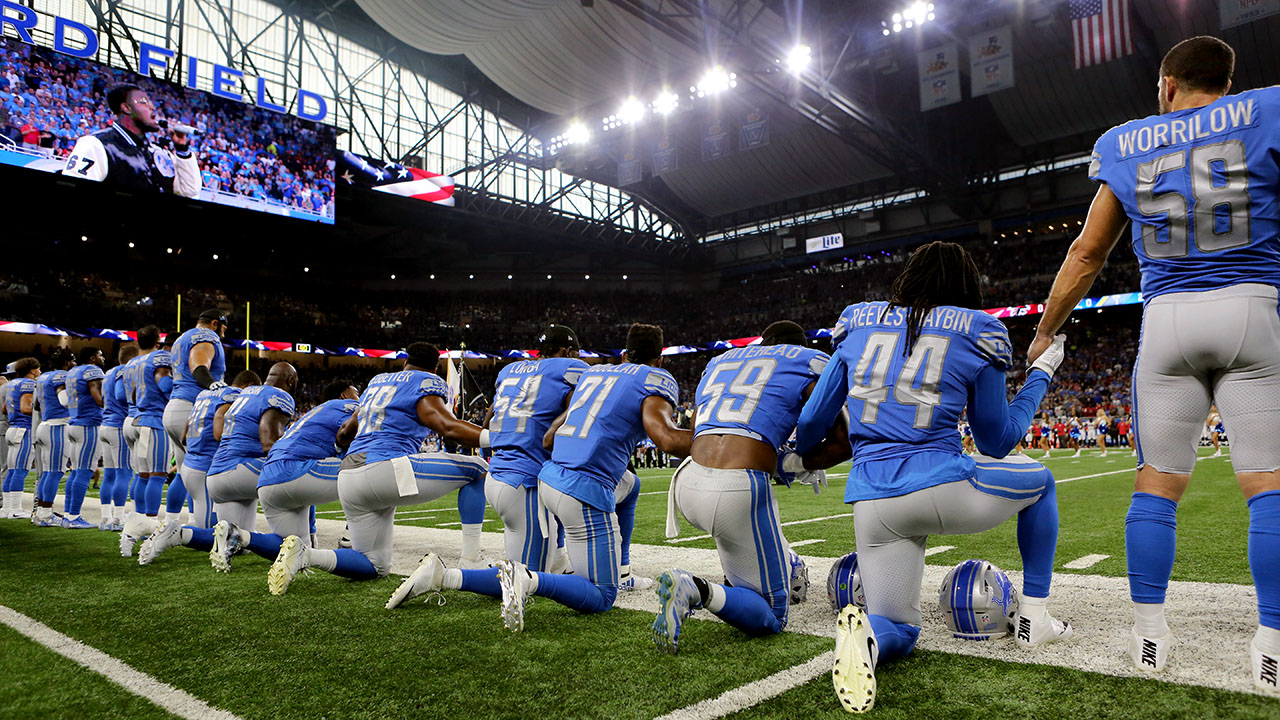
The biggest athlete as of late to take a stance on a social issue was Colin Kaepernick protesting in support of Black Lives Matter in the 2016 football season. Colin Kaepernick received lots of criticism from people in media accusing of him being anti-American, however he felt that this was a peaceful way to call out the mistreatment of Black Americans in our society. He was not thought highly of for what people believed as the wrong time to protest, however his protests are the base for what athletes protest for today. During the most recent NBA season many protests took place with the same beliefs as Kaepernick had. There was a difference in the way in which people thought of these players. The media was a lot more supportive of their beliefs and weren’t as critical. This shows the progress that has been made over the last four years.

In the Time article by Sean Gregory the main focus is an interview with Jason McCourty and how he feels that the protest of Colin Kaepernick and George Floyd are similar. McCourty believes that both of them were protesting the cops use of authority as a whole rather than just the specific action. Athletes have grown to be bolder in their views and not listen to those who want them to “stick to sports.” The athletes aren’t concerned with how many people, but rather want to see real change by seeing a decline in police brutality and innocent lives being lost. In the article he makes a great point about how he sees the other side of wanting to keep politics out of sports. Showing the other side of the argument provides ethos by showing that people don’t want politics when they watch sports. He goes one step further by saying that it isn’t about politics to them, it is their lives at stake. Overall the aim of this article is to show us how athletes standing up for their beliefs is not to just gain attention, however, it is their life they are fighting for. This contributes to the conversation by advocating for athletes to stand up for their life.
Michael Jordan is arguably not only the best basketball player of all time, but best athlete to ever play sports. His on the court play is really how he got his name, Jordan steered clear of politics and black advocacy during his time playing. Jordan was quoted saying “I never thought of myself as an activist. I thought of myself as a basketball player,” he said. “I wasn’t a politician. I was playing my sport. I was focused on my craft.” This quote shows that Jordan didn’t want to get involved in social issues of the time. Jordan didn’t want others to not like him because of his political views. The article from The Undefeated criticizes Jordan for not showing his political beliefs to the public. The most famous instance of this is when he was asked to support a political candidate, Harvey Gantt, from North Carolina who was running against a historically racist white Republican. Jordan was quoted saying “Republicans buy sneakers too.” Michael Jordan was more concerned by making money and not wanting to hurt his profit by making some folks uneasy about his words. By avoiding these controversial topics, he was able to remain neutral to the public eye and become a brand for himself. Jordan generated more than $3 billion dollars in the most recent fiscal year. All of this was because of this because he remained neutral and didn’t broadcast his views to the world. In this text by Jesse Washington, he points out something that I think is very interesting. He thinks that Jordan wanted to use his power in his own way and not be told what to do. He probably hated Jesse Helms, but because he was asked to support him publicly, he didn’t want to. I believe that this is a little not fair. If you are so self-centered about yourself that you can’t show your views, it is a problem. I believe that the reason Jordan didn’t support him was because he didn’t want to support something he didn’t know about. After this came out Jordan remained “uncontroversial – but not uninvolved” as Washington points out. I really like this quote, it shows that somebody can have views, but not want everybody to hear about them. Jordan hosted many events for Obama in his campaign to be president as well as donated lots of money to various groups in support of black lives. Overall, I believe that this article does a good job of showing both sides of Jordan, in ways he did good and times that he might have made a mistake. At the end of the day people get to have their own opinions and it is up to them how they express them.
The next text that contributes to the conversation is a video from Ketra Armstrong, a Professor of Sport Management and Director at Center for Race and Ethnicity in Sport at the University of Michigan. Ketra points out the power of the institution that sport is. Sports impact on a daily basis culturally, socially, psychologically, and politically. All of these things together make it a very powerful platform to communicate messages. I think that is a very important thing here. Ketra is showing us that all types of people watch sport, therefore messages can speak to many people. Sporting events are the most watched thing of entertainment. All of these things that come together make it that we can talk about controversial issues like race and politics. Ketra makes a fabulous point about that black athletes make up a majority of the sport, and other members of the community feel connected to them because of their race. Athletes spend much more time in their community rather than on the field. So, when they’re decorated in their element of blackness and they’re not associated with a team, they’re subject to the same types of harassment and violence that the other members of their communities are. This is the reason that it is acceptable to speak out on these issues. This claim that is made is very important to note because often times we don’t see them as community members, but rather as athletes. This video by Ketra Armstrong strongest piece is the tone it shows. The tone is very upfront and bold which helps us understand the problems in the world. Her audience is also one to note. She is talking to those who think athletes should “stick to sport” and “shut up and dribble” which she does a very good job with her logic and logos. She makes this easy to understand and puts it in real world applications.
The final piece that I looked at was research from Pew Research Center specifically the graph that are shown. The first graph is the US views towards athletes speaking out publicly among political issues based of age, race and political party. The data that I find most intriguing is how different the political parties are. For example, 31% of Republicans say it is not acceptable to speak out and 12% say very acceptable while 5% of Democrats say not acceptable at all and 52% say very acceptable to speak out. To me I am confused how just because of the political party makes you think one thing or another. The chart also points out that the older you get the more likely you are to not want the athletes to speak out. I think that this is because as young adults we are so in search of what we think it right and interesting in learning that we want to hear all sides of the argument. I believe that this graph is very logical and makes it very clear to point out the trends in the United States.
After doing the analyzing of different texts I think it is important to see what role athletes play in our country. They are often very highly paid and widely followed. We place lots of importance on sports and athletes. When speaking on controversial issues it can be a little awkward and when it comes to athletes speaking out, they can take a lot of heat for it. Many times, they are told to not involve politics in sport, however this is their life that they are fighting for. As of recent we have seen a shift in how social issues are dealt with. Igniting with the death of George Floyd many leagues have allowed their athletes to speak out, along with making changes across the league. This has gone a long way to help improve the treatment of all people. While there is a lot more work to be done this is a good start to the conversation of activism in sport.
Speaking on social issues can cause a lot of controversy in whatever scenario you are in. Whether it is a family function, work environment, or with your friends’, people can feel very strongly towards one side or the other. Athletes are often put in very difficult situations when it comes to these issues. Athletes have a large following and are often thought to be role models for us, and if they act too strongly to either side, they might get some push back from the media. At the same time if athletes don’t do anything then might get criticism for not using their platform to lead others to what they believe is right.
The biggest athlete as of late to take a stance on a social issue was Colin Kaepernick protesting in support of Black Lives Matter in the 2016 football season. Colin Kaepernick received lots of criticism from people in media accusing of him being anti-American, however, he felt that this was a peaceful way to call out the mistreatment of Black Americans in our society. He was not thought highly of for what people believed as the wrong time to protest, however, his protests are the base for what athletes protest for today. During the most recent NBA season, many protests took place with the same beliefs as Kaepernick had. There was a difference in the way in which people thought of these players. The media was a lot more supportive of their beliefs and weren’t as critical. This shows the progress that has been made over the last four years.
In the Time article by Sean Gregory, the main focus is an interview with Jason McCourty and how he feels that the protest of Colin Kaepernick and George Floyd are similar. McCourty believes that both of them were protesting the cops use of authority as a whole rather than just the specific action. Athletes have grown to be bolder in their views and not listen to those who want them to “stick to sports.” The athletes aren’t concerned with how many people, but rather want to see real change by seeing a decline in police brutality and innocent lives being lost. In the article, he makes a great point about how he sees the other side of wanting to keep politics out of sports. Showing the other side of the argument provides ethos by showing that people don’t want politics when they watch sports. He goes one step further by saying that it isn’t about politics to them, it is their lives at stake. Overall this article aims to show us how athletes standing up for their beliefs is not to just gain attention, however, it is their life they are fighting for. This contributes to the conversation by advocating for athletes to stand up for their life.
Michael Jordan is arguably not only the best basketball player of all time, but the best athlete to ever play sports. His on the court play is really how he got his name, Jordan steered clear of politics and black advocacy during his time playing. Jordan was quoted saying “I never thought of myself as an activist. I thought of myself as a basketball player,” he said. “I wasn’t a politician. I was playing my sport. I was focused on my craft.” This quote shows that Jordan didn’t want to get involved in social issues of the time. Jordan didn’t want others to not like him because of his political views.

The article from The Undefeated criticizes Jordan for not showing his political beliefs to the public. The most famous instance of this is when he was asked to support a political candidate, Harvey Gantt, from North Carolina who was running against a historically racist white Republican. Jordan was quoted saying “Republicans buy sneakers too.” Michael Jordan was more concerned about making money and not wanting to hurt his profit by making some folks uneasy about his words. By avoiding these controversial topics, he was able to remain neutral to the public eye and become a brand for himself. Jordan generated more than $3 billion in the most recent fiscal year. All of this was because of this because he remained neutral and didn’t broadcast his views to the world. In this text by Jesse Washington, he points out something that I think is very interesting. He thinks that Jordan wanted to use his power in his way and not be told what to do. He probably hated Jesse Helms, but because he was asked to support him publicly, he didn’t want to. I believe that this is a little not fair. If you are so self-centered about yourself that you can’t show your views, it is a problem. I believe that the reason Jordan didn’t support him was that he didn’t want to support something he didn’t know about. After this came out Jordan remained “uncontroversial – but not uninvolved” as Washington points out. I like this quote, it shows that somebody can have views, but not want everybody to hear about them. Jordan hosted many events for Obama in his campaign to be president as well as donated lots of money to various groups in support of black lives. Overall, I believe that this article does a good job of showing both sides of Jordan, in ways he did good and times that he might have made a mistake. At the end of the day people get to have their own opinions and it is up to them how they express them.
The next text that contributes to the conversation is a video from Ketra Armstrong, a Professor of Sport Management and Director at the Center for Race and Ethnicity in Sport at the University of Michigan. Ketra points out the power of the institution that sport is. Sports impact us on a daily culturally, socially, psychologically, and politically. All of these things together make it a very powerful platform to communicate messages. I think that is a very important thing here. Ketra is showing us that all types of people watch sport, therefore messages can speak to many people. Sporting events are the most-watched thing of entertainment. All of these things that come together make it that we can talk about controversial issues like race and politics. Ketra makes a fabulous point that black athletes make up a majority of the sport, and other members of the community feel connected to them because of their race. Athletes spend much more time in their community rather than on the field. So, when they’re decorated in their element of blackness and they’re not associated with a team, they’re subject to the same types of harassment and violence that the other members of their communities are. This is the reason that it is acceptable to speak out on these issues. This claim that is made is very important to note because often we don’t see them as community members, but rather as athletes. This video by Ketra Armstrong’s strongest piece is the tone it shows. The tone is very upfront and bold which helps us understand the problems in the world. Her audience is also one to note. She is talking to those who think athletes should “stick to sport” and “shut up and dribble” which she does a very good job with her logic and logos. She makes this easy to understand and puts it in real-world applications.
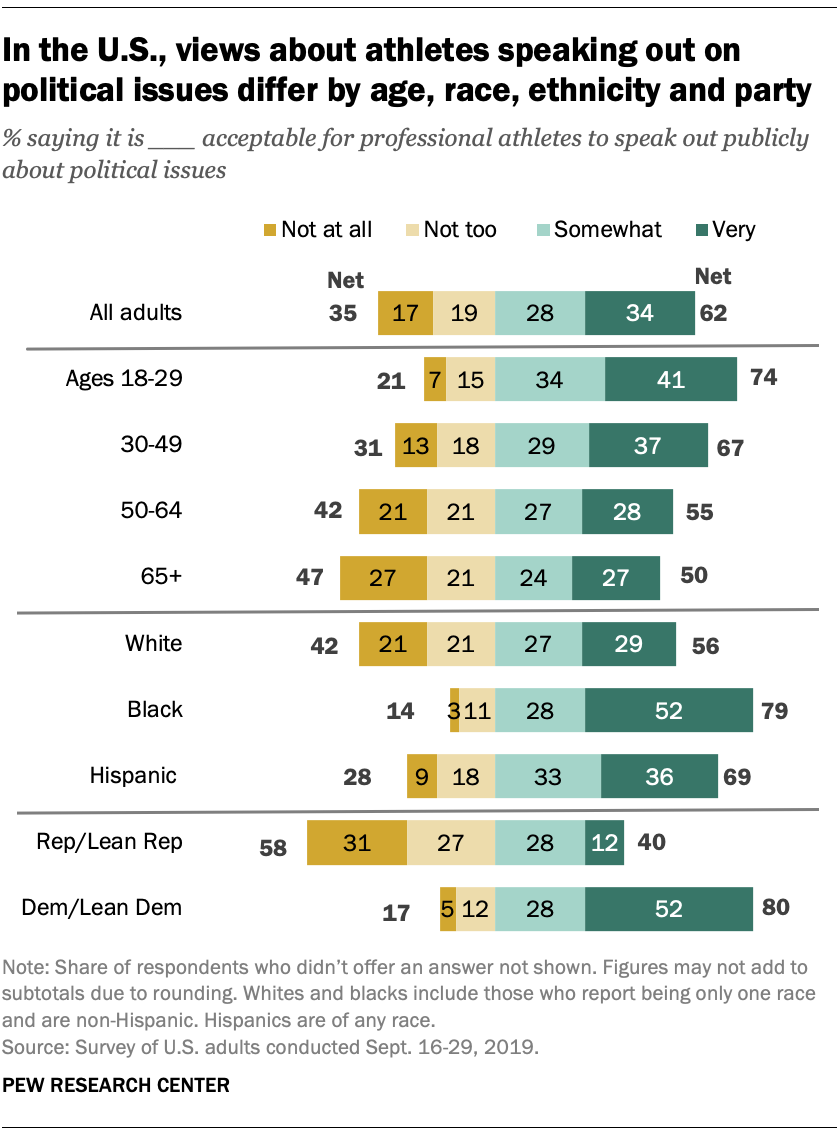
The final piece that I looked at was research from Pew Research Center specifically the graph that is shown. The first graph is the US views towards athletes speaking out publicly among political issues based on age, race, and political party. The data that I find most intriguing is how different the political parties are. For example, 31% of Republicans say it is not acceptable to speak out and 12% say very acceptable while 5% of Democrats say not acceptable at all and 52% say very acceptable to speak out. To me, I am confused about how just because of the political party makes you think one thing or another. The chart also points out that the older you get the more likely you are to not want the athletes to speak out. I think that this is because as young adults we are so in search of what we think is right and interesting in learning that we want to hear all sides of the argument. I believe that this graph is very logical and makes it very clear to point out the trends in the United States.
After analyzing different texts, I think it is important to see what role athletes play in our country. They are often very highly paid and widely followed. We place lots of importance to sports and athletes. When speaking on controversial issues it can be a little awkward and when it comes to athletes speaking out, they can take a lot of heat for it. Many times, they are told to not involve politics in sport, however, this is their life that they are fighting for. As of recent, we have seen a shift in how social issues are dealt with. Igniting after the death of George Floyd many leagues have allowed their athletes to speak out, along with making changes across the league. This has gone a long way to help improve the treatment of all people. While there is a lot more work to be done this is a good start to the conversation of activism in sport.
Works Cited:
https://time.com/5846354/colin-kaepernick-george-floyd-nfl/
 Cosner Rhetoric