The divided views on our nation’s parks

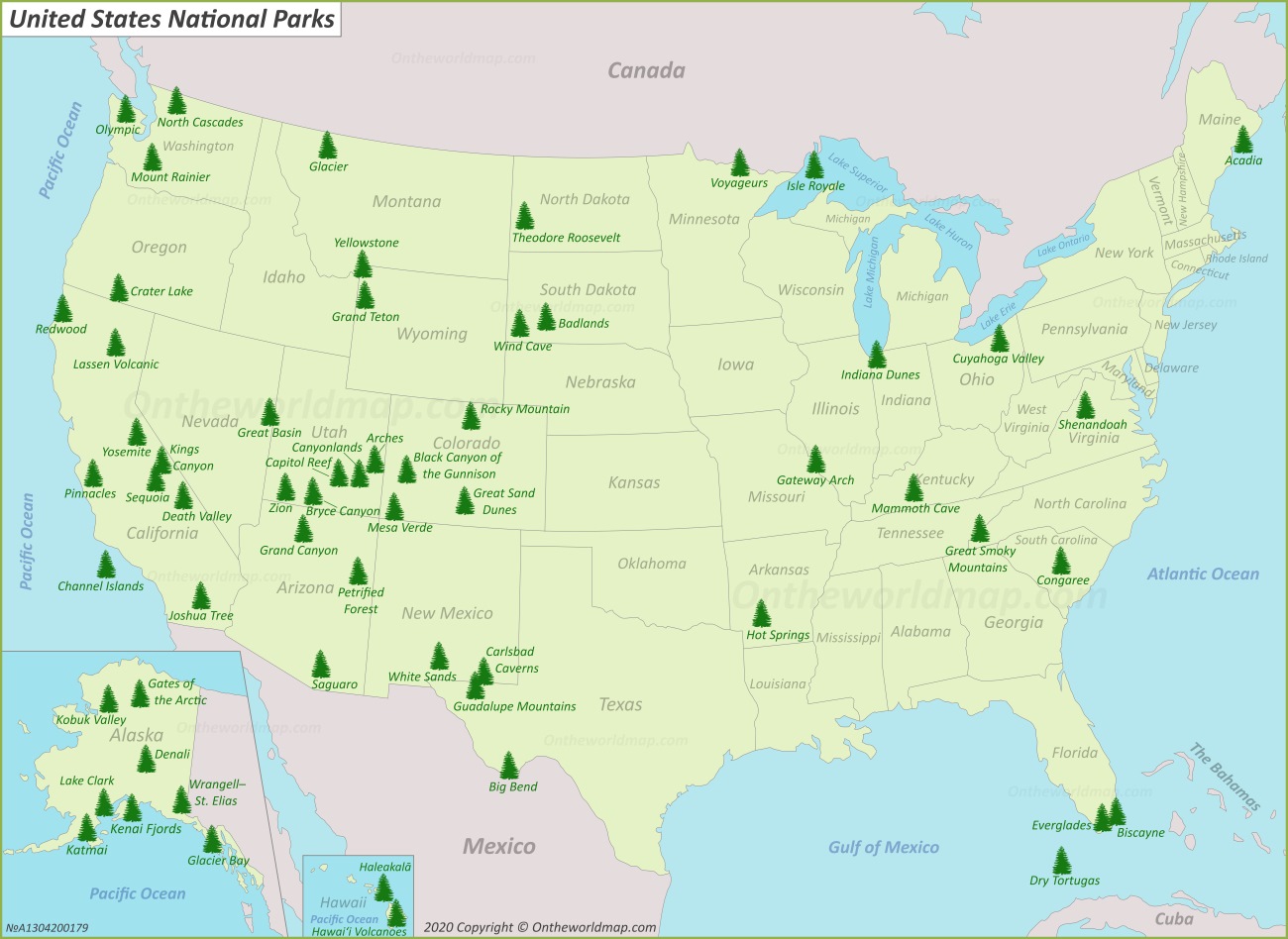
National Parks are beautiful, pristine places that are full of wildlife and some of the most beautiful natural formations in North America. Since around the time first national park (Yellowstone) was created in 1872, the argument over whether or not the government should own parks and use tax dollars to keep them running and in good condition has been a continuous discussion. National parks attract millions of visitors each year in the United States but some people believe that the hard earned money of Americans should not be taken to pay for national parks in the form of taxes; while many others do believe that our national parks are well worth the money they take to keep up and running. The cause of the divide in recent years is heavily influenced by the fact that many of the parks are unfortunately in poor condition. While one side believes that the government should use more tax money towards maintenance and upkeep for the parks, the other believes that we should cut our losses and sell the parks off to private buyers.
Privatizing Parks
One main argument over the National Park System is that they should be privatized as many people believe that American tax dollars should not go to the funding of the Parks because they view it as a waste. While this view is marginal in comparison to the other side, it is still very important to the discourse. The people who hold this view want the parks to stop being funded by tax dollars but that does not mean they necessarily want the parks to be developed but rather that the parks should be sold to private owners who will keep the parks running. One example of this comes from an opinion piece from the Washington Post by Nick Sibilla who wrote, “The National Park Service has a government-backed monopoly on managing its parks. So it has little incentive to provide quality service or even eco-friendly amenities…Instead of remaining a lumbering Leviathan, the Park Service should embrace market principles and privatize the parks.” While Sibilla argues that the “monopoly” on parks causes poor quality, he does not argue that the parks should be used for capital gain but rather they should be privately owned non-profits.
“Instead of remaining a lumbering Leviathan, the Park Service should embrace market principles and privatize the parks.”
Many people with conservative values share Sibilla’s views on National Parks. They value the parks but maintain the belief that the government should be cut down to what they deem the necessities and scrap everything else. This does not mean that things like parks should disappear but that they should be privatized and open for competition. This belief is also fueled by the conditions of our nation’s national parks. No matter what side of the argument Americans are on, one thing they can all readily agree on is that the parks are not in great condition. This is heavily due to the fact that government spending for our nation’s parks has decreased over the years leading to less funding for repairs. Since this has caused the quality of things such as roads and trails within the parks to deteriorate, many Americans are not satisfied with the conditions and this is where the divide really starts. Many Americans believe that the government should poor more tax money into the parks for repairs and general maintenance whereas others believe that we should cut our losses and save money by selling off the land. Over all, most Americans just want the same thing…parks in good condition.
Keeping the Parks Public

One argument that is being made from this political cartoon is that national parks are practically begging on the streets for funding as shown by Smokey holding up a sign saying “desperately short of funds PLEASE HELP” along with the poor state of his very patched clothes. The main argument being made by this drawing is that the national parks will become over commercialized if they become private. This argument is being made through the many signs in the park that have basically been turned into ads for certain companies like Coca Cola as shown by the sign declaring the name of the park, Yosemite. The artist of this drawing is arguing that privatizing parks ruins the quality of the experience and makes it less about spending time out in nature and more about generating revenue to line the pockets of rich owners. One way this is brilliantly shown is that if the revenue being made from the ads was going to the park, then the sign in front would not say that camping, fishing, and hiking are all now closed since they would be open if money was going to maintaining trails and camping grounds. This piece is very interesting because although there is not a direct argument being made through words, the artist was able to convey his argument through the facial expressions of the people and Smokey as well as the condition of Smokey’s clothes and gate office window.
Another major side on this issue is that national parks were designed to keep nature protected and preserved and that selling off the land could cause land to be developed. Many people believe that parks were created to be cheap or free and available to everyone. Many like John Freemuth and William Lowry value public land and see the national parks as public resources. One concern they have over our countries state and national parks is that, “Most states have either cut their funding for state park systems substantially in recent years or required them to be more self-sustaining. This trend has increased pressure on state park managers to generate revenue.” They believe that state and national government’s budget cuts have made the parks turn more commercial than they have ever been in the past. Many democrats hold this view close to their hearts and believe that the privatization of parks will cause parks to become less about the nature and more about attractions. One reason visitors enjoy national parks is because it allows them to be in nature without much of a visible mark left by humans. Many people fear that if the parks were privatized and became more commercial, it would cheapen the experience.

Another article cites Don Barger who is the senior regional director for the National Park Conservation Association. He believes that national parks are an investment in the future of America. He says that “There are many things that business does or could do better than government. But twenty years of experience working on park issues convinces me that managing our national parks isn’t one of them.” He also believes that “Every American is a shareholder of the natural and cultural heritage protected and made available by the National Park Service. The “profit” we shareholders receive for our investment is the knowledge that America’s stories and most precious natural resources will be accessible to our grandchildren’s grandchildren.” He argues that we should not see the cost of keeping national parks running as a burden because the parks are worth the price (roughly 1/14 of 1% of our nation’s national budget). He blames the poor quality of the parks on Congress’s inability to work together. He actually goes as far as to argue that keeping the parks actually helps the nations economy and that cutting the parks budget even further or privatizing the parks would actually cause problems because the parks create roughly 28,000 jobs and support many many others through people staying at hotels next to the parks or visiting restaurants and grocery stores nearby. Privatizing parks could cause less people to want to go or even to be able to go. If this happened, many jobs that depend on tourists and visitors could fail and many people could lose their jobs.
This issue is very interesting because it is not mainly an issue of being pro-park or anti-park but rather whether or not the parks should belong to the national government or a few specific people or organizations. Many republicans value parks but believe that they should have to compete in our nation’s economy due to the belief that competition creates better products and experiences. On the other hand, democrats tend to support our government owning and over seeing our national parks because it allows them to remain cheap as tax dollars are being used to keep the visiting costs to a minimum. Democrats believe that the privatization of parks would lead to inaccessibility to many poor and middle class Americans. They also fear the possibility of the parks becoming commercial and more like a theme park than an area of conservation.
 Cosner Rhetoric