

Which healthcare method is more effective? What kind of healthcare systems are there? A lot of questions and opinions come into the conversation of healthcare in the United States. There are many different approaches to healthcare and I’ll be explaining the main ideas of some. I will also talk about their purposes, who is affected, and concerns. In this blog post, I’m going to analyze different methods of healthcare and how they are viewed from different sources.
Free Healthcare
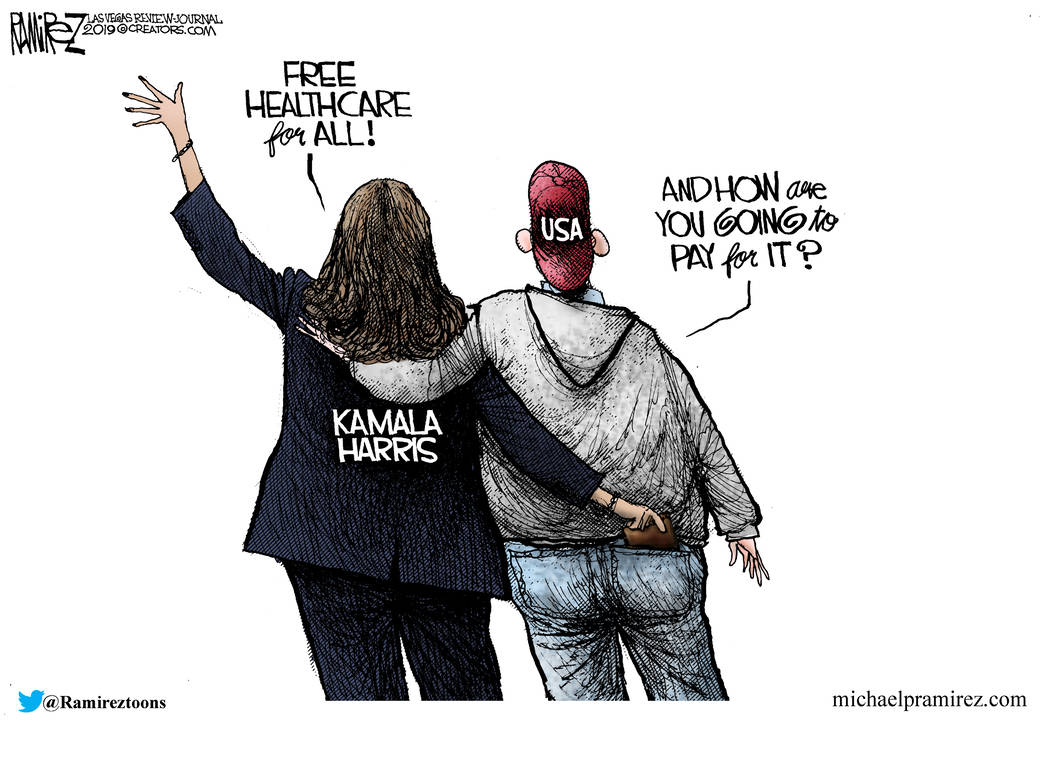
The purpose of free healthcare is that people should not have to pay to receive basic medical care. Ivy Panda’s main idea of this argument, in their essay, is that people would visit the doctors when necessary and follow prescriptions. In regard to ethics, a goal behind this policy is being able to protect people’s personal morals and rights, such as autonomy. This has appeals to an audience who suffer from chronic illnesses or that have long treatment plans. Free healthcare would also value the importance of helping the sizable amount of mental illness in the United States. Since elevated suicide rates may indicate a high burden of mental illness, free healthcare could make a dramatic change to that. This would happen by being able to diagnose, treat, and teach people how they can live with their mental illnesses when they weren’t able to before. Despite the highest spending, Americans experience worse health outcomes than their international peers. Even with the United States’ advances in medicine, it still does not provide a positive outcome for a lot of patients. This could be solved by offering free healthcare and ensure that every patient is evaluated and treated for the best outcome possible. The essay also explains common health issues that need attention. Obesity is a large problem in the United States. Obesity also causes a lot of conditions that can be life threatening if not treated. With the right care and motivation, people will more likely seek help for this condition if they are not charged for treatment. People in poverty or are homeless would now receive the care and the supplies they need take care of themselves when they count before. A lot of these people suffer from malnutrition and that can be solved with certain medical care. Children in foster care that require medical attention would also receive better care now that free healthcare would cover more of their treatment. Immigrants and people traveling from places such as Canada could also receive cheaper or free healthcare with help of this policy. Overall, free healthcare would benefit people who can’t afford or don’t have access to basic healthcare. It would give a chance for every citizen in the United States to improve their quality of life regardless of income or insurance.
Concerns
The author fails to address problems that would arise with this policy. Some concerns of free healthcare may be the funding. There are a lot of factors that play into medical care. Some examples of significant expenses may be hospital stays, ambulance rides, scans, or pharmaceuticals. Another concern is hospital and private practice staffing. With the large increase in patients, places that provide patient care will need a lot more staff. The increase in the number of patients with free healthcare does not bring in the funding to places, so there would be limited ways to pay the extra staff.
Other Healthcare
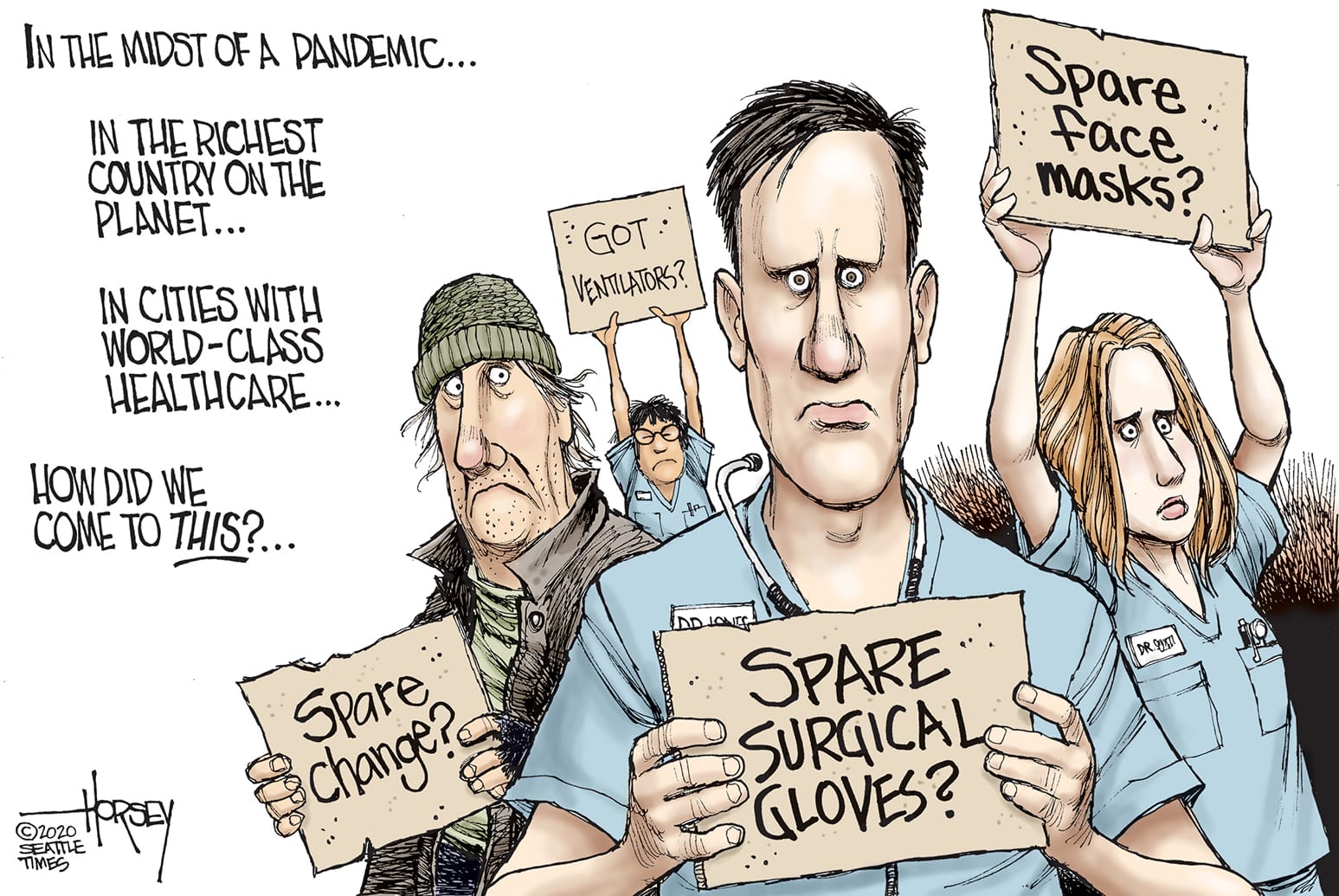
On the other hand, Michael Winther’s essay explains that paid healthcare values a patient’s right to choose their care, is able to have advanced medical equipment, and to have enough sufficiently paid staff. The idea of this method is without the funding to pay staff, patients will receive less or inadequate care. The funding for free healthcare will most likely come from tax dollars, resulting in higher taxes for everyone no matter how many times an individual visits the doctor. Staff that is not getting paid enough will tend to not be as motivated. He mentions that paid healthcare also limits the access to pharmaceuticals. With free healthcare, an increase in pharmaceuticals is prescribed leading to an excess amount of unused drugs. This could lead to more cases of addiction and reliability on certain drugs. Risky behaviors (such as smoking, drug abuse, and gang membership, to name just a few) result in a heavy burden on our medical care system. This problem would only increase with the surge in new patients. Drug abusers and prostitutes are provided plentiful and free medical care (at taxpayer expense), while many elderly and disabled are denied medical procedures because they are less productive members of society. One of his main appeals of paid healthcare is preventing complications like this from happening. Make no mistake—universal health care makes the health-conscious taxpayer pay for the excessive medical needs of those who choose not to protect their health. Taxes are meant to improve the quality of life for citizens, not to aid in the harmful acts that hurt the economy. With government provided healthcare, patients will be guided to the care they would receive instead of choosing. Even though every type of care is important, with certain situations, patients may need unique treatment. Instead of getting top care treatment, a patient may receive general care. In his essay, Winther concludes that paid healthcare ensures that every patient is getting the right attention and resources.
Concerns
Winther addresses the obvious problem that our current healthcare system is failing to do. Some concerns of paid healthcare is that not everybody may be able to afford or have insurance for healthcare. The people that can not afford care or do not have insurance often have issues that go untreated and become a bigger problem. People that require lifelong treatment for a condition may not be able to get it because of the inability to access medical care. A solution that is commonly brought up is potentially making insurance more available from employers.
Differences and Similarities
The differences between these systems are quite contrasting. One difference is obviously the pricing of medical care. Free healthcare argues for free government provided healthcare with taxes being the contributor of the funding. On the other hand, paid healthcare argues for medical care provided by insurance or out-of-pocket pay. Another difference between the two is that the different methods might give patients different outcomes. For example, a person with free healthcare will be likely to stay longer in a hospital to ensure recovery. On the flip side, every day in the hospital for a patient is more money so they are more likely to leave sooner. Some similarities may include the care for the patient. Every patient would receive the same kind of care regardless of their healthcare policy.
A Different Approach
Eric Dishman is a medical technology specialist. He performed a TED talk about taking a different approach on the healthcare system. He wants more people to be able to treat themselves at home instead of being hospitalized. For example with technology taking a bigger part of our everyday world, it could also have a large impact on our medical care. Eric talks about as a child he was hospitalized and only got sicker the longer he stayed. Another comment he made about his stay was that, “the professionals were miracle workers, but they’re working in a flawed, expensive system that’s set up the wrong way“. He concluded from the experience that care must occur at home as the default model, not in a hospital or clinic. He suggests that devices we use to diagnose our symptoms, such as an ultrasound, can be plugged into smartphones and used at home. The process could be guided through the machine itself or a physician through technology. This decreases the need for hospitalizations and unnecessary spending. Obviously, this routine would not be as effective for certain patients that need special care that can only be provided in a hospital setting. Dishman also introduces the new idea of “care networking”. Often a lot of problems arise because of miscommunication among different specialties in patient care. Care networking is having a team designated to a patient with the same goal and enough educational background to treat all the problems that arise. Patients need consistency with their care in order to prevent miscommunication that lead to mistakes. For example, Eric said himself while he was in the hospital that “three different specialists had prescribed three different versions of the same drug to me.” His main goal is to make health care a team sport. This will normalize people working together not because they have to but because they want to for patients.
All the methods of healthcare have their own goals and concerns. Free healthcare provides care to everyone. Paid healthcare provides medical care without the taxation of other citizens. Team healthcare, while still not developed, would provide a way to treat symptoms and diagnose patients at home with the guided care of a physician, if necessary. The essays and other media I looked over and studied helped me understand the different arguments concerning healthcare policies. Even though these healthcare methods each have very different ways of accomplishing their goal, they all consider the well being of patients. As medicine, patient care, and technology advance, healthcare policies will evolve with it, no matter what approaches are taken.
Works Cited:
Dishman, Eric. “Transcript of ‘Health Care Should Be a Team Sport.’” TED, March 2013, www.ted.com/talks/eric_dishman_health_care_should_be_a_team_sport/transcript?language=en.
IvyPanda “Free Health Care in America.” IvyPanda, 29 May 2020, https://ivypanda.com/essays/free-health-care-in-america/#ivy-csf-section. Accessed 7 Nov. 2020.
Tikkanen, Roosa, and Melinda K. Abrams. “U.S. Health Care from a Global Perspective, 2019: Higher Spending, Worse Outcomes?: Commonwealth Fund.” U.S. Health Care from a Global Perspective, 2019 |Commonwealth Fund, 30 Jan. 2020, www.commonwealthfund.org/publications/issue-briefs/2020/jan/us-health-care-global-perspective-2019.
Winther, Micheal R. “Healthcare in America.” https://principlestudies.org/essays/health-care-in-america/. Accessed 7 Nov. 2020.
 Cosner Rhetoric