The Green New Deal is a United states legislation proposal created to address climate change by cutting down on carbon emissions while also holding a focus on economic inequality in 10 years. The resolution, introduced by Representative Alexandria Ocasio Cortez (D) and Senator Edward J. Markey (D), is largely associated with the party aims of the Democratic Party to address climate change.
Representative Alexandria Ocasio Cortez and Senator Edward J. Markey announcing the deal on Feb. 7 2019
The largest concern when the Green New Deal is discussed is the Americans who will lose their fossil fuel industry jobs. However the amount of jobs estimated to be created from this proposed plan is about 10 million, this overshoots the smaller number of two million “direct” jobs which will be lost. The jobs created will be accessible to those who will lose their jobs as a result as these new careers will be skilled technician jobs. This estimated 10 million jobs for some, is reason enough to support. There is interests in the Green New Deal not just because of its goal to reduce carbon emissions but it is also seen as a way to rebuild the economy.
The Green New Deal has been pushed to the forefront of climate reform as it is one of the only proposed plans which is not only in line with scientific consensus but also creates maximum support for the working class and marginalized communities. Representative Alexandria Ocasio Cortez notes that passing the Green New Deal will be no easy task and she believes that in order to successfully deploy it the democrats must have a majority in the House, Senate and have the Presidency. One of the major issues with attempting to get much traction with the proposal is the majority republican senate and republican president Donald J. Trump in office. Many republicans holding office benefit from the fossil fuel industry or directly capitalize off of it. Due to this it is not in the republican parties best interests to push forward an initiative such as the Green New Deal Forward.
There then also come to light the very real concern that those known as “oil barrons” may go away with the Green New Deal but that this will just give rise to “Solar Barrons”. However the Green New Deal has tried it’s best to address such concerns by highlighting the importance of also making sure the jobs that are created are union jobs as union jobs have better pay, better protection and better health care.
Your vote is fifty times less valuable than a person who lives in a different state than you. That is assuming of course that you don’t reside in either a “battleground” state or a smaller state with a high number of electors per capita. But why do these phenomena in our democracy occur? That is by virtue of the Electoral College, America’s arcane process of electing the president, devised by the framers as a means to shift power away from the Northern states.
The Electoral College consists of electors in each state that cast their votes for the president based on how their constituents voted in the general election. Each state gets their total number of votes decided based on the population of the state plus two guaranteed senators. Their is a total of 538 electoral votes 100 of which comes from the two senators awarded to each state and 438 of which is delegated based on the population of the state. In order to win the election a candidate must receive a majority of the electoral votes (270). As a result presidents design their campaign by means of trying to win this majority of votes rather than the most actual direct votes. The purpose behind this strategy is that states electoral votes are delegated to the candidate on a winner-take-all basis whereby the candidate who wins the state wins all of the electors regardless of how large or small the margin of victory. This leads to a key targeting of states called battleground states, which could swing either democrat or republican depending on the year, where most of the candidates time and money is poured into. If it seems a candidate will win a state the opposing candidate often finds no reason in campaigning in that state or trying to win votes in as state whose outcome they view as foregone. This often leads to many questioning the value of their vote for example, a Republican in California or a Democrat in Alabama.
The Electoral College was a system built of compromise in the primordial days of our democracy’s existence. The early framers knew that a system whereby the president was elected by only free white residents would not work for the southern states, take Virginia for example whose population accounted for only 40% free white residents and 60% enslaved people. The result was the creation of the contentious “three fifths compromise” whereby for the allocation of electors, enslaved people would count for three fifths of a person. The shift of the majority power away from the Northern states was made so that anyone elected president in the future would not be grossly incompetent by anyone’s means, well that worked just fine…
Therein lies the problem with the Electoral College and why it should be abolished some argue. The Electoral College was designed to shift power away from some and towards others, and while most agree its creation was necessary to ensure peace early on in our nation’s creation, many today find it obsolete. That is because this imbalance of a value of a vote is still prevalent to this day. Both parties agree that their vote should hold equal value however it has been Democrats in recent history who have faced the Electoral College’s wrath.
Of the five elections in history that have went against the popular vote 4 of the 5 have been won by the Republican candidate much to the dismay of the democrats. This happened as recently as 2016 where despite winning the popular vote by nearly 3 million, Hillary Clinton lost the election. Many find this unfair as members of both parties strongly believe that people should elect the president, but under these circumstances that was simply not the case but rather a political algorithm.
Another point of contention with the Electoral College is that it paints or country as either red or blue, depending on the states individual primary, while our country, in reality, is a very healthy shade of purple. Moreover recently Democrats have pointed to electoral maps recently appearing a majority red, as the Republican Party typically wins more states with a lower number of electoral votes while Democrats win less states with a higher population and thus more electoral votes, as unfair. This, Democrats claim, is an unfair advantage Republicans have for purposes of campaigning and propaganda and is not representative of our country. Below is a gif which demonstrates why Democrats believe they gave a genuine gripe.
Yet another issue which some Democrats have with the Electoral College that I found really fascinating, is how the Electoral College was and still very much is racially motivated. Upon doing some research I stumbled across a quotation from a time when the Electoral College was actually the closest it has been to being abolished, having passed the House but was shut down by sweet Southern senators. The following quote admittedly makes me a little sick to my stomach, from Alabama Senator James Allen, “The Electoral College is one of the South’s few remaining safeguards, let’s keep it”. Now to what safeguard is Allen actually referring to? Well many believe he is indistinctly referring to suppression of black voters. Either way, studies indicate the Electoral College still succeeds at suppressing black voters, below is a chart of the states with highest relative voting power along with the racial demographic of the states.
As with all controversies, it’s important to examine media surrounding the controversy and analyze how the rhetor accomplishes their goals. The first piece which I chose to analyze was written by professor Darrell M. West, a highly regarded peer-reviewed professor of American Politics. Immediately, West establishes ethos about why he is qualified to speak on the topic “For years when I taught campaigns and elections at Brown University”. The rhetor expects that the reader is familiar with Brown University, an Ivy league school, and to accept that his role as a Politics professor qualifies him to speak about politics. Next, West makes an important statement to detractors of abolishing the Electoral College claiming that for most of his career he agreed with their stance however, recently he has changed his view on the Electoral College. This is a really effective statement by West that helps him better relate to his opposition saying he was once like them but upon preponderance of evidence changed his position. This stacks really well with the ethos West previously established as West counts on a detractor reading this and thinking “Wow! An Ivy League professor who once shared my views changed his mind, let’s see what he has to say.” After which West expertly delivers the logos, walking readers through the history of the electoral college, the bipartisan issue of faithless electors, why the Electoral College isn’t suited for the modern era, and lastly how it could reasonably be abolished. This article was expertly written by West and functions to provide excellent insight while appeasing the needs of readers of both parties.
Next, let’s look at an article that walks the partisan line a little less elegantly, skewing towards the left, yet still offers valuable insight on how this controversy is structured nonetheless. The Rhetor, Sean Illing, is a writer for left leaning media Vox. While West’s article was written for members of both parties, the intended audience for Illing’s article is Democrats. The sharp word choice by Illing is what I first picked up on upon reading the article, which reveal Illing’s feelings towards the topic as he repeatedly refers to Electoral College as “anti-democratic” and refers to the creation of the Electoral College as of “shoddy origins”. In the interview Illing included in the article between New York Times editorial board member and author Jesse Wegman and himself Illing purposely attempts to lead Wegman to make points which help his argument. The first time Illing tries to coax Wegman into helping his argument occurs when Illing asks “But has the Electoral College ever operated the way it was intended to operate?” Now speaking objectively this is a very loaded question and I think the answer Wegman gives actually might hurt their credibility, as Wegman simply replies no. Again objectively speaking I might argue that any time the Electoral college did not decide the election it technically “did it’s job” so I’m not entirely sure the answer “no” is helpful here. Next, Illing tries to coax Wegman into speaking who the Electoral College actually harms, keep in mind Illing’s audience is almost exclusively Democrats. “Okay, but the dynamics have changed, right? Now the Electoral College benefits the Republican Party almost exclusively.” I think this a much stronger way to actually influence the audience by Illing here, if your audience consists almost exclusively of Democrats, the main thing they need to hear from this article is how the Electoral College is damaging their political party. Illing’s article I believe does a serviceable job of getting information to his audience, and Illing himself does a good job of gathering information that helps his argument.
Next I chose to analyze article “In Defense of the Electoral College” by Allen Guelzo published by National Affairs. Nat Aff is a more conservative leaning form of media but again Guelzo does a good job of structuring his argument. Guelzo seldom sets up pathos or ethos but rather offers an overload of logos to help his argument. He prefaces his argument by stating the Electoral College is not antiquated nor toxic by nature but instead is misunderstood in it’s function. Guelzo goes through the history of the formation of the constitution, why the “one man, one vote” argument hold no constitutional merit, and whether or not the Electoral College is cumbersome. I think Guelzo actually does a great job of picking out individual arguments and countering them, however I do find the content rather elitist. This I believe coincides with Guelzo’s audience as readers of Nat Aff are likely wealthy, educated conservatives, so despite the article’s valid content that is a barrier which must be overcome.
Although a majority of Americans may want the electoral college abolished it likely isn’t going anywhere. The Electoral College was founded as a means of shifting electing power from one group to another and has continued to do so for as long as it has existed. Recently, it has been Republicans who have benefitted and Democrats who have called for abolition however the roles have reversed many times before depending on the political state of the country. The Electoral College is frankly not going anywhere, For as long as there are benefactors there will always be defenders and the Electoral college is pretty good at it’s job.
The debate continues whether physician assisted death (PAD) or otherwise known as euthanasia should be allowed. Euthanasia is the termination of one’s own life often permitted by the patient or by another appropriate person, on behalf of the patient to be prescribed a lethal medication with the assistance of a physician. Euthanasia has been an emotional and controversial topic sense the 1800’s. In the 1870’s, Samuel Williams proposed using anesthetics and morphine to end a patient’s life. This began an ongoing debate that is continued today. The Morals and Ethics of this practice are extensive and complex. Currently in the United States, euthanasia is legal In Washington, Oregon, California, Colorado, Montana, Vermont, Washington D.C and Hawaii. Outside of the United States it is legal In Switzerland, Germany, Japan, The Netherlands, Belgium, Luxembourg, Colombia and Canada. Each of these states and countries have their own legal requirements for euthanasia. Although different states and countries have their own ethical and unethical reasons for euthanasia being legal or illegal there will always be a debate that is personal to a person’s specific ideology. There will never be a complete and accurate answer to this debate. People are all devoted to their own cultural, religious, and traditional beliefs. This is what makes the euthanasia topic so divergent amongst different individuals. This leads us to the underlying debated question. Should euthanasia or otherwise known as physician assisted death (PAD) be legal?
The Antidote: Euthanasia
An article called “Euthanasia for emotional pain” Mercy or a “Culture of death?” by Mary Elizabeth Williams talks about a transgender woman named Nathan Verhelst who ended his life with a lethal cocktail of medication. Mary Elizabeth Williams explains that “he did so with a doctors assistance and his governments blessing.” His death brought up many ethical debates around euthanasia and whether it should be legal. In Williams article she explains how “For most of us, the instinct to cling to life is so deep that helping another human being end it seems unthinkable.” Williams is right in her belief that the thought of killing a loved one is a difficult topic to talk about for anyone. No one wants to imagine someone being killed under any circumstance. She also mentions how Verhelst was very depressed and if he had been treated with more “compassion from the beginning” he would have been less likely to have been depressed. This leads to the topic brought up by Bioethicist Arthur Caplan who told NBC “When you move away from the realm of terminal illness, toward judgments about suffering, you are starting down a very dangerous path and one that’s extremely slippery.” Marginalized people do not want to feel as if their life is any less valuable than someone else’s. Although euthanasia is mostly connected to terminally ill people over the age of 60 there are cases of euthanasia being used on people for psychological reasons. William ends her article by bringing up a traumatic remembrance of one of her dear friends that killed herself. She says that “the one thing that gives me peace is the hope that in the end, she found a release from the mental torment that made her life unbearable.” It is extremely hard to understand what somebody is going through. “Suffering exists on a continuum” as William puts it, and it is impossible to understand what somebody is going through without experiencing It. It is possible that euthanasia relieves a patient from torment similar to how a prisoner feels relief from being released on bail. Whether it is a terminal illness, or a psychological illness, life and death choices are a hard topic to contemplate and nobody will understand it until they have experienced It themselves. That is why the debate should be left to the person dealing with the personal illness.
This represents a terminally ill or psychologically depressed person being “cured” by physicians with euthanasia
In the article “Why I hope to Die at 75” Ezekiel J. Emanuel says “Thats how long I want to live: 75 years.” He explains how most of his family thinks that he is crazy. He says “death, is a loss” it deprives us of many things such as milestones we would like to achieve but he also believes “living too long is also a loss.” The longer we live the more likely people will see us as disabled and unflattering. We are less likely to be “vibrant and engaged” as Emanuel puts it. His article relates to euthanasia because many people believe that patients are vulnerable to the affirmation of others. A concern that is withheld is that patients may be concerned that they believe their life has become a burden and that physicians influence a patient’s “own thinking” as The World Medical Journal Explains. People believe that if they are seen as “disabled” and “unflattering” that euthanasia may be the only option to an end. Although this is a debated topic many people have similar thoughts as Emanuel. They believe that if they live to a certain age, they will have “pursued” all their “life projects” and “contributions” without “Physical or mental limitations.” Although he feels this way, he also believes that euthanasia is not the best form of death because “People who want to die in one of these ways tend to suffer not from unremitting pain but from depression, hopelessness, and fear of losing their dignity and control.” Which may or may not be able to be treated with specific therapies and support. He believes we should “Focus on giving all terminally ill people a good, compassionate death—not euthanasia or assisted suicide for a tiny minority.” The argument will remain whether euthanasia should be legal or not, but his article gives space for people to discuss their own opinions on this exceedingly divergent issue. Terminally ill people may believe that they have accomplished all their life goals and feel that euthanasia is an adequate decision or that it will lead to a personal death that is unforgiving and uncompassionate. Although he brings up a good point, it is still arguable that a person that has a debilitating illness should decide on their own wether they feel euthanasia is right for them.
Euthanasia will always be a divergent topic amongst different individuals and people will have to decide on their own whether it should be legal or illegal. Williams article is a good example of how the act of someone being killed can be a difficult topic to discuss. She ends the article with a personal event that occurred in her life where a close friend of hers committed suicide. She explains how the one thing that gives her peace is that in the end her friend has found a release from a “mental torment that made her life unbearable.” Euthanasia can be a very troubling topic but individuals that are not currently experiencing a terminal or psychological illness will never understand the continuous suffering that these people experience. Euthanasia allows for people to end torment and suffering and experience a release that can only be achieved from physician assisted suicide (PAD). Ezekiel also brings up a good point in his article where he mentions that we should focus on giving the terminally ill “a good, compassionate death” but some people may never be able to experience this due to their debilitating disease. Similar to Ezekiel people may also believe that by a certain age they have accomplished all their significant milestones which makes dying at a certain age not as traumatic. In Williams article it states that “Belgian Evaluation Commission for Euthanasia says the majority of applicants for euthanasia are over age 60 and more than 75 percent have terminal cancer.” This means that a majority of applicants have come to an age where they have accomplished the majority of their life contributions and goals. In the end the argument against euthanasia comes down to a person’s own personal, cultural, religious, and traditional beliefs.
What It Comes Down to
Death will be a traumatic topic to talk about whether you believe euthanasia should be legal or not. Although euthanasia is seen by several individuals to be inhuman and solely based on a person’s specific mental state. It can also be a release for many people that are stuck in a never-ending cycle of distress. Euthanasia or otherwise known as physician assisted death (PAD) includes positives and negatives. A positive may include a release from a personal torment and a negative may include a needless death that was based solely on a patients personal psychological illness. It is believed by some people that euthanasia should not be used on a patient that is psychologically ill because there is a possibility that they could be rehabilitated. On the otherhand it can be argued that the issue should not be decided by the people unaffected, but rather the decision should specifically lie with the terminally and psychologically ill.
“Sometimes death ends suffering not life.” including a background that includes “bad”,”illegal”,”good” (This shows the two Sides of euthanasia)
Euthanasia will forever be a divided topic and no specific answer will ever be correct. Many people will argue it should be based on ethics, but personally I believe it comes down to the argument of whether it lies in your personal, cultural, religious, and traditional beliefs. This leads the reader to decide whether they believe euthanasia or otherwise known as physician assisted death (PAD) should be allowed. This brings me to the question that I would Like to ask you. Do you believe a person that is suffering with a terminal or psychological illness should be able to choose life vs. death?
The idea of homeschooling to some children is just absolutely out of the picture: sitting at home 24/7 with their parents, not socializing with kids their own age in the classroom, and no school extracurricular activities. But, on the other hand, traditional schooling is not their favorite idea either due to the many hours a day sitting in uncomfortable desks, being around so many others who may not be so easy to get along with or even endure years of bullying in person. While both of these types of schooling styles have their negatives, they also have positives that many times people overlook. So what really are the disadvantages and advantages of both? And, more importantly, which one seems to be the “better” option?
In many households, there is no debate over this topic. The children will attend traditional schooling just like every other kid in their neighborhood because it seems to work for the most part. When asked why they sent their kids to public school, many parents will respond with something in regards to the “social norm” or that “it’s just part of the experience of life.” One of the major disadvantages to traditional schooling for kids is that, in many classroom settings, the focus of a student’s education is geared towards getting all the information down on paper rather than spending time on understanding new ideas and topics. The highlighted article goes over many of the pros and cons that come with sending your child to public, traditional school and is very helpful in analyzing some of the main topics regarding schooling for children. Much of future learning is much more based around comprehension and deeper ideas. This article goes over this area regarding traditional schooling, in the sense that it brings many topics to light that parents do not usually consider when sending their child to traditional school. Some teaching styles do not fit with the learning style of a student which can harm their overall success in a course, even though that particular student may be considered smart.
Along with this, more harm than good can come from being around peers of the same age especially in today’s society, when everyone has to fit in to be considered normal. In extreme cases of not fitting in, bullying can occur both physically and verbally from classmates. According to a survey completed in 2019, about 41% of students who reported being bullied in school believed it would happen again and throughout each grade, no matter what they did to prevent it. Some of the main reasons bullying can occur is because of a student’s physical appearance, sexual orientation, political and religious beliefs, ethnicity and even disabilities. This article highlights some of the main issues that can arise from attending a traditional setting of schooling and brings up some helpful points that parents should consider which some parents may need in order to decide which is the best type of schooling for their child. This article provides essential information that all parents should look into for the safety and wellbeing of their child.
While the disadvantages of traditional school seem daunting, the advantages can also outweigh some of the negatives in the minds of some parents. In the traditional classroom settings, students are taught discipline and are given the accessibility to resources and materials that parents may not be able to get a hold of as a parent-teacher. The benefits of this are emphasized in an article that covers the good things that come along with choosing traditional schooling for children. Children are given more resources and accessibility to materials which helps the child thrive in a public school setting, and ultimately gives them a better education. Similarly, the exposure to peers and new or opposing ideas can positively affect interpersonal relationships with others, another great skill in life. Another article also brings up the important idea that working with others is significantly easier to do when enrolled in traditional schooling and group work teaches students how to work with constructive criticism, plan and manage time, and develop stronger communication skills.
There are many disadvantages and advantages to take into account when thinking about traditional schooling, but the same thought processes are required when looking into homeschooling. Homeschooling generally has a negative connotation when it is brought up due to the isolated environment a child is put in. Being homeschooled removes students from the socialization circle that other kids who attend traditional school are a part of. A helpful source that reveals many disadvantages to homeschooling explains that forming bonds with their peers is especially important to young students because it plays an important role in their developmental health and social skills. Therefore, it is explained that the lack of peer interaction can take a negative toll on interpersonal communication which, again, is something that many parents overlook. The author concludes that homeschooling not only isolates those children, but it also does not prepare them with the necessary skills of group work or peer interaction required for future education and work.
On top of that, homeschooling also puts a strain on the parent who has posed as the teacher, their child as the student, and can possibly affect the rest of the family as well. The parent-student strain is explained through an article talking about how working parents need to find time and create a schedule that works best for their child which proves to be a difficult task for some families, even those who choose traditional school. The concept of homeschooling is a full-time commitment and a student can lose a lot of education and opportunities if a parent is not qualified for the job. The author explains that the way people act in a student-teacher relationship is very different from a child-parent relationship, and taking on the role of a teacher and a parent can be a very confusing task and ultimately causes a tense relationship at home among the family. This article is a very good aid in helping parents and guardians look over the cons to homeschooling. Another aspect to think about in a homeschooled environment is the financial obligations that the parents/parents must deal with in regards to materials and resources. In reality, it is reiterated that it increases the cost of their education which is a big factor for some families and is a great point of this article that some parents may not take into consideration.
Nonetheless, homeschooling presents many advantages to a child that traditional school cannot fulfill. Many parents worry about the ideas and curriculum that public schools teach to the students, and homeschooling can be more flexible, giving more power to the parents in what is exposed to their child. Students who are homeschooled are privileged with the ability to have a say in what they’re learning, while the parents can also monitor the educational freedom that comes with learning from home. The parent can also adjust their teaching method in order to fit the needs of their student which is something that cannot be done in a traditional classroom setting of 20+ children who all have different learning styles. Going off of that, the same article shows that students also gain a better focus and motivation for school when learning from home because they may not be surrounded by peers who value learning less and mess around in the classroom. Homeschooled students also have greater pride when earning grades and achievements which is mainly a result of not having other students to compare their work to.
Ultimately, both types of schooling have lots of pros and cons that all parents should look into before immediately deciding on the best fit for their child. With education comes the addition of many life skills that will be needed to thrive in the future. The right schooling for one child may differ from that of another, which is why all of this information should be exposed to parents in order for them to help create a pathway to success for their children.
The debate on whether there should be more gun control polices in America extends past the idea of either getting rid of the right to carry arms or instead, loosening the laws on gun control. Overall, the share of Americans who say gun laws in the U.S. should be made stricter has increased from 52% in 2017 to 60% this year, according to a survey conducted in September. The rigorous topic of gun control has brought up many debates and questions. On whether or not there should be stricter laws, we outline the effectiveness of the background checking system, the qualifications that one has to purchase a gun, whether or not they are mentally ill or stable, the idea that gun control is politically motived by both sides, and the question of is guns the problem.
State gun laws requiring universal background checks for all gun sales resulted in homicide rates 15 percent lower than states without such laws. The data results in a question of why don’t we change something? Policy makers have to take in account of laws such as the second amendment. While taking those restrictions into consideration, how come we still aren’t able to implement some sort of rule. Further proving this idea, “Laws prohibiting the possession of firearms by people who have been convicted of a violent crime were associated with an 18 percent reduction in homicide rates(Colarossi).” If there is firm evidence that stricter laws led to a decrease in homicide rates, something needs to be put in place, a law thats within the second amendment but also that can still aid to the decrease in rates of homicide and other statistics of gun violence. The aim of this article,(link in the blue sentence above), is to help readers understand that having some sort of policy can make a change. The target audience are the people who’s view is that people should be allowed guns, just more intensive background check policy’s.
On the other hand, we have people with viewpoints that we don’t need to have gun laws to stop the violence. In an article titled, “Why Gun Control is Not the Answer, and What We Can Do to Stop Gun Violence”, it provides various reason to support its title. Historically, “stricter gun regulations do not keep guns out of the hands of criminals(Perry).” The idea behind this quote said by Perry, is the idea that stricter gun laws keep guns away from people like myself: reasonable, mentally-stable, law-abiding people, who know how to safely use a firearm. People believe this to be true because there can be an argument made that anyone who kills someone, in a mass murder, can be deemed as not mentally stable, or mentally ill. Statistics will show that violent crime has been decreasing ever since Nixon and the Assault Weapons Ban.
The aim of this article is to shed light on the idea that its not so much of the gun laws, but people who have violent criminal intentions, or the mentally ill, not in the right state of mind people. If death is at the forefront of problems, activists for pro gun choice could bring up the idea that ” cancer kills fifty times that many people in the U.S. every year. So why hasn’t anybody proposed legislation to control cancer?(Perry)” Not to say that everyone who dies form gun violence isn’t tragic but knowing that theres something that’s fifty times more likely to kill me or a family member is quit alarming, almost pushing the idea of stricter gun control at the bottom of a ranking of deadly altercations.
Naysayers could also bring up the idea that we don’t know what classification mental illness falls under, for people who do take part in violence acts. What I mean by this is how do we define mental illness for someone who does commit a mass shooting? This would oppose the strong gun activists and cause a good conversation with policy makers on deciding laws.
In this political cartoon above you see two men, one who’s big and strapped with weapons while the other is smaller, sweating, and looks like he is scared. The man in the red has the words ” Gun Culture” written on his chest while it appears that he is holding the man with the words ” Call for U.S. Gun Control” on his chest, holding him hostage. This invokes the idea that the people who are pro gun and discourage laws, can be represented depending on the audience. One might say that the man in the red is bad ass and that not restricting guns can allow you to take control of a situation, or in this case, someone. Other view points can point to the opposite. The man who is being held at gun point, he is crying. He looks scared for his life. Someone can argue, not enforcing strict gun laws can give the freedom too many people who shouldn’t have guns in their possession.
The debate over gun control laws is heavily rooted in politics and the view points with different political parties. For the political parties, Republican and Democratic, “About seven-in-ten Republicans and Republican leaners favor allowing concealed carry in more places (72%) and allowing teachers and officials to carry guns in K-12 schools (69%); just 26% of Democrats and Democratic leaners favor each of these proposals“. This article from Pew Research Center they provide many different statistics but this stat about Republican and Democrats serves the purpose of outlining which party is for the gun control and the party who is opposed to the stricter laws. The author of the article, J. Baxter Oliphant, brings up a question that makes you question the legitimacy. Baxter writes, “And Republicans and Democrats have stark, fundamental differences on questions relating to the causes of gun violence – and even whether gun violence is a serious problem in the country”. He poses the question, is gun violence a serious problem in the country. While I was answering this question for myself it made me think, if gun violence isn’t a serious problem, then why would there be a need to write this entire article? Baxter fails to address how in every stat, if it’s for gun violence in the community or something about the strictness of gun laws, Republicans tend to lean always towards lesser laws and view their community’s safe from gun violence, more than Democrats.
A young man by the name of George Wang had a TedTalk on the topic of gun control. A statistic that struck me as a ready was that in 2012, 12,765 people were killed by firearms. Shockingly, 62% of those deaths were suicide. Whats your definition of gun violence? Is it violence against another person? When talking about gun control, George’s tone is almost a tone of questionability. Almost as if he was questioning the idea that guns maybe aren’t the problem and that there are other factors that play into the bigger picture, the picture that banning guns isn’t the way to go.
George brings up an idea in the TedTalk that if we ban guns, 100% of the guns used for violence will be obtained illegally. George suggests that even if we ban guns, people will find a way to secure a firearm and use it for no good. If we ban guns, people who don’t abide by the law already, will still be able to get guns, putting the lives of those who do follow law at risk. This is a very strong argument for the second amendment and for those who support pro gun that use self defense as a main argument. George brings up a good point in saying, ” This already exists. Drugs are banned but people still use them. You can’t even keep drugs out of prison. People always find a way to get what they want”. While the drug crisis is another topic for another day, they have some similarities when talking about making a certain thing illegal.
George seems a little bias towards the right side in the TedTalk. George makes remarks throughout the video, including one when he says, ” in order to ban all guns, we would need to confiscate every single one” and ” 127 million people follow the law and they”ll have to suffer for the one percent of people who make bad choices”. George, to me, seems to give us insight on where he stands on this issue as a person. George’s aim is to reach an audience of people who are for the right to bare arms. He almost sounds bias in my opinion with the tone and rhetoric used to address his audience.
Whether or not you support the sale and conceal of firearms, or are for the strictness of guns, there is no doubt a problem when guns get into the wrong hands of people. Republicans and Democrats have long argued the issue of gun reform.
Perry, Clayton. “Why Gun Control Is Not the Answer, and What We Can Do to Stop Gun Violence.” Farmington Flyer, 2017, www2.umf.maine.edu/flyer/archives/2013-spring/issue-2-3-7-2013/why-gun-control-is-not-the-answer-and-what-we-can-do-to-stop-gun-violence/.
The idea of a national victor in the realm of college football has existed since all the way back in 1869, when the NCF (National Championship Foundation) declared the studious Ivy League schools as the best each year. When the Associated Press took the reins of college football in 1936, the selection process still involved no championship game between the top teams and remained a subjective voting amongst “experts. It was not until 1998 that the officials decided to establish a long-awaited head-to-head matchup named the BCS (Bowl Championship Series), which took the two highest ranked teams and stacked them up in a bowl game against each other. Most recently, the CFP (College Football playoffs) took the place of the BCS as a means to give to expand the playoff structure to a four-team playoff and has been captivating millions of football fans since 2014. Many of those fans, however, still do not seem to be satisfied with this new playoff format and call for an even wider expansion of the post-season bracket. There are many sides to the argument whether it is for more profit for schools, to provide a fairer route of deciding the champion, or to provide an opportunity for less renowned schools to show their worth to the football community. Many experts and critics support the current format and want to experiment with it more, and some even feel it is the more effective and efficient way to conduct the postseason. Ultimately, it is up to the CFP board of manager on how to deal with the debate, and they must decide which option would best support the fans, players, and Universities altogether.
The Washington Post’s article on “Expanding the College Football Playoff Field made perfect sense. The sport’s leaders said no” highlights the thought process of the higher executives of college football in rejecting the proposal to expand the playoff, and how money was the internal motive that inspires virtually every decision that is made regarding division one football. The article laid out some of the major details about conference commissioner Larry Scott’s idea to expand the championship bracket to consist of eight teams rather than four, and how the college football playoff committee shut down the idea entirely as a consensus and failed to even take a proper vote on it. Additionally, back in 2017 when UCF went undefeated and failed to find a spot in the playoffs, they went around putting up billboards and posters declaring themselves champions, which John Feinstein described as an “embarrassment to the CFP . . . [that] a 12-0 UCF team wasn’t given serious consideration for a playoff spot”. The values of the articles were brought into light, which were how Feinstein finds it important that smaller schools and conferences are equally represented and have a fair chance as being declared champions, so that it simply is not a contest of wealthiness. Later, Feinstein continues with his critical tone and turns to the specificities of why the CFP would be so inclined to reject a well thought out idea. He described how even though it is highly unlikely, that “ESPN would have a fit” if a team from one of the non-major conferences like “UCF or Boise State or Brigham Young crashed its annual rating extravaganza. Feinstein strengthens his stance on the issue of how he believes expansion would be the more efficient method of declaring a winner, but he also uses a negative tone toward the CFP to criticize how profits are the sole influencer of the CFP and large sports networks like ESPN’s decisions. Feinstein throughout this post aims to influence the reader to believe that the decision making of the CFP is corrupt and lacks morals, to persuade football enthusiasts to also believe and expansion of the playoff would be the more efficient and morally correct option.
Fox Sports journalist Jason McIntyre positions himself on the side of many in believing that the best solution to the current conflict with the playoff format in college football would be to expand to and eight team bracket rather than four, but his reasoning is slightly more unique, and makes strong points on what exactly is the problem with the current method. Rather than criticizing the higher executives and trying to tear down the governors of college football, he takes a stance where his aim is to really convince devoted and passionate fans that it would be beneficial and more exciting to watch their team during the season if the route to making the playoffs became easier. He describes the scheduling as “unbalanced” and how it is often disregarded as part of the issue when in reality “it’s actually the entire crux of the issue”. He introduced some very strong examples of teams in previous years like Clemson who went undefeated and reached the playoffs but only had the “74th toughest schedule in the country”. Using strong language, McIntyre reveals how we are not necessarily putting the best of the best teams in the country against each other in the postseason, which is why the expansion is necessary to squander the idea of luck contributing to the winner each year. He went on to describe how schools will so often form their schedules to try and matchup with easier opponents to strengthen chances of a 12-0 record and ticket to the playoffs but adding extra opportunities to reach the postseason could allow many more teams with one or potentially even two losses to find themselves with a chance of winning it all. He describes the notion as “positive” and “rewarding” for teams to play tough opponents during the regular season. He makes a very bold statement by metaphorically stating how “You can’t change the idea of needing an 8-team playoff on a yearly basis like you’re leasing a car or making a silly New Year’s resolution . . . you’re all-in, or you aren’t”. This puts an incredible strong divide between the two sides, which weakens the points of the article as those who feel neutral in the issue might feel heavily pressured to sway one way or the other. Regardless, McIntyre puts his own twist on not only the roots of the issue with the current format, but also helps the reader envision so many of the potential benefits of a future expansion from a die-hard fan’s point of view.
Michael Rosenberg takes a strong stance on the less popular side of this issue, at least less popular with fans, where he attempts to target the audience that is in favor of expansion and help them realize the distinct reasons that the format would be best left untouched. He argues that the culture for college football is pushing more toward adapting to the customs of the NFL (National Football League), which is taking away from some of the unique traditions and customs of college football. He argues the current format, where you must find a way to win every game and you are penalized for losing even the closest games to the highest quality of teams, is “quirky, and to win the national championship, you had to find ways to win all year long”. He argues that it is these exact characteristics that make the sport “wonderful”. He makes convincing arguments about how it’s the journey that is so important when looking back at how national champions achieved their success, and he reveals he values consistent success throughout the season rather than getting lucky and performing strong only toward the end. Additionally, Rosenberg has the right intentions when trying to properly address the opposite side before going into the depths of his argument, and retaliate the common points made about allowing more worthy teams to have a chance in the postseason. The only argument where he loses some credibility was when he mentions a recent game between two of the best teams in the country: Michigan and Ohio State. He argues it was a winner takes all game where the loser is eliminated, which is true, and claims “that game wouldn’t have meant nearly as much if the teams were merely angling for seeding”. Although it is true some importance in the game would be removed, the blind spot he fails to acknowledge is that games that previously were not considered important because both teams were considered “eliminated” would be brought to light and become legitimate games. So, although some games lose importance, Rosenberg does not address any of the potential matchup that would replace them. Overall, Rosenberg brings some light to the issue that many fanatics have not considered, and persuasively lays out details about many of the conflicts that would arise with an expansion of the postseason bracket.
Dan Wolken’s article in the USA Today highlights many of the reasons he believes that an expansion of the playoffs would reduce the competitiveness of the college football spectrum, and the likelihood of upsets would be reduced. He forms much of his language to allude toward his strong dislike of the idea of expanding, describing it as “pointless” and how it is “almost impossible” for there to be any relevant competition in many of the early rounds. He reveals his values are more geared toward trying to preserve the competitive nature of football, and uses many past incidents including how LSU “steamrolled” Oklahoma, or Clemson’s “wipeout” of Ohio State. He also succeeds in addressing the counter argument in his conclusions stating, “the hunger to expand the Playoff to eight is slowly but surely taking over the sport” but rebuts it by claiming “an expanded playoff means the gap between the quality of opponents is going to get bigger, not smaller”. Wolken attempts to sway the popular opinion of his audience by trying to appeal to the love for close games and competition in football and describing how it is a unique aspect of football that is slowly diminishing.
Regardless of what the CFP final decision ends up being, there will be many agitated fans, players, and coaches who all have differentiating opinions on how to approach this complex phenomenon. The argument for expansion is highly justified for fans as their team might still have a legitimate chance at the playoffs even if they lose a game, and coaches will have a shot as underdogs to try to win it all. Critics of the expansion also have legitimate reasoning as it can take away from some of the importance on the regular season as well as affect the competitive nature of the sport itself. Likely, an expansion of some sort is likely to happen at some point in time, but the question that remains to be revealed is will it be more efficient than the current structure, and how some of the values of fans like competitive games and reaching bowl games will be affected.
Works Cited
Feinstein, John. “Expanding the College Football Playoff Field Made Perfect Sense. The Sport’s Leaders Said No.” Washington Post, WP Company, 8 Oct. 2020, washingtonpost.com/sports/2020/10/08/college-football-playoff-expansion-pandemic/(opens in a new tab).
What’s the deal with Healthcare in the United States of America
The debate over how America has been dealing with healthcare for the last decade has been passionate,and there are many viewpoints on how healthcare should be done. There are thousands of articles and tons of different ideas of how we as Americans can make it better. This makes the topic controversial and even causes hostility when people discuss it at some points. However, public vs. private health care debates have valid points on both sides, whether it be not wanting higher taxes on your income, or not having to pay out of pocket for your healthcare, less competition within the market, or guaranteed healthcare. The debate won’t go away until something is done. Every article has a point to get across about what America should do about healthcare, but how well do they get that point across?
With this question in mind, the first thing I will start off with is an analysis of an article I found that is against universal healthcare.
“Universal Health Care is a Bad Thing”- Kenneth Wright MD.
Wright opens up his article by introducing himself and his credentials and where he had his training for medicine training. He goes on and describes the Canadian healthcare system as a disaster and putting out the fact that a lot of physicians left to go to the US for jobs because of the money involved. Moving further down he goes on to talk about young people and why they necessarily don’t need insurance. “The 47 million so-called uninsured people in the U.S. include a large number of young healthy folks who, understandably, choose to spend their money on things other than health insurance. Because we have hospitals that turn a blind eye to theft of service, they get away with paying little or nothing for emergency care when they finally do become sick or injured. If someone walked out of a store with a TV set and didn’t pay for it, he would end up in jail.” He connects free healthcare to robbing a store of a TV to create the idea that having free healthcare is in a way robbery, he does this to make the reader question the ethical reasons behind it and thus makes the reader feel cheated. He then bring up a fictional man who spends his money on other things rather than health insurance “The truly needy should continue to be cared for at society’s expense, but a man with $2000 worth of tattoos and piercings on his body who smokes $3000 worth of tobacco and drinks $1000 worth of alcohol yearly will have a very hard time convincing me that someone else should pay for his health care. He has chosen to spend $4000 a year on tobacco and alcohol rather than on health care.” Bringing this into the argument creates an unjust feeling with the reader. Seeing this they end up feeling they are being treated unfairly because they pay their fair share for insurance and for someone who could stop spending money on alcohol and tobacco and pay for their own insurance they should.
“Point Turning Point: the Case for Universal Health Care” U.S News
This is an article Done by U.S News presented an article that showed all the benefits America would receive if we moved to a universal healthcare system. This provides a whole array of details that anyone should be interested in such as covering other countries and the effects it could have on America. One example from this article “Of all these countries, the U.S. has the highest portion of private insurance. In terms of dollars spent, the average per capita health care spending of OECD countries is $3,558, while in the U.S. it’s $10,207 – nearly three times as costly.” This shows how the article uses logic to persuade the reader, using this statistic shows the average reader that it will in most ways benefit most people in America and by creating a cheaper healthcare system. Switching it up they address the problem with the businesses involved in the healthcare industry “The main reason U.S. health care costs are so high is because we don’t have universal health care. Unlike other first world countries, the health care system in the U.S. is, to a great extent, run through a group of businesses. Pharmaceutical companies are businesses. Insurance companies are businesses. Hospital conglomerates are businesses. Even doctors’ offices are businesses.” They make a logical statement to state that since they are businesses they are looking for a profit, since it’s not a universal healthcare system they compete and mark up the price for everything. Introducing this the audience can see that there not working for you but for profit instead.
Medicare for All: Last Week Tonight with John Oliver (HBO)
Another great use of rhetoric John Oliver uses his platform by talking down to the opposing arguments by making jokes of their claims.. He then begins to backup his argument by supplying the viewers with statistics and facts about. For example a paraphrase from his video “(A clip from Fox News) I’ve been to England national healthcare is a disaster, When rich and famous people get sick they come to America because our healthcare system is the best. John replies: You have a great point, America has one of the best systems for rich and famous people, but most people born in America are born with a condition called “Not being Beyonce”” This is a great example of John Oliver using someone’s claim and flipping it so he can diminish their statement by using comedy and making his rebuttal to do so. He closes off his argument for medicare for all by connecting all of the topics and stories he brought in for the segment “When Americans get sick they can find themselves comparison shopping with a burst appendix, flipping a coin between life saving medication, and praying they can come up with a catchy enough hashtag to cover their care.” This ended off his argument on a heartwarming point to get the viewer to sympathise with him appealing to pathos.
“Affordable Care Act Returns to the Supreme Court in the Shadow of the Pandemic,” Washington Post.
Goldstein uses pathos and ethos very well to display an argument towards why healthcare is needed. She doesn’t go into unified healthcare but she goes over the Affordable Care Act (ACA). Which is the closest thing America has to it. She uses people affected by the healthcare system to help portray the problem with the cost of health care. One example from her article “Nearly 11 million would lose coverage through marketplaces created under the ACA to sell private health plans, usually with federal subsidies, to people who cannot get affordable benefits through a job. And about 12 million, insured because of Medicaid expansions in all but a dozen states, could find that coverage disappear.” Bringing this into the article introduces that cutting the healthcare plan (ACA) would hurt millions. People tend to want the best for others so this puts the reader in a position where they have to consider other people’s well being connecting to pathos. She then moves on to a personal story from a woman named Cameron “After days in bed — her heart beating wildly, her mind foggy, sometimes feeling on the edge of passing out — she went to Stanford’s emergency room. Her fever was just below 100, the threshold for being admitted. For the visit of less than four hours, the bill for tests and the doctors she saw was $14,706 — all but $1,370 paid by her Blue Shield of California insurance.” connecting to the reader it makes them question why would it cost so much for a simple procedure that only lasted four hours. This shows that the unjust costs for medical in America are outrageous and possibly putting people in financial trouble. This was a strategic use of rhetoric by Goldstein because it used pathos and logos thus creating the reader to think deeper about the problems within.
With these articles you can see that universal health care isn’t perfect but it does benefit a majority of the people. It has benefits such as providing healthcare for all, lowering cost for some, and decreasing drug prices. The only worries are the limited choices on where you get your healthcare to one. And paying extra in taxes for people you don’t know. The goal is to provide a safe way for people to live, the good outweighs the bad with the articles presented
In the age of coronavirus, the decriminalization of drugs has become increasingly popular. Prisons have become a hotspot for the spread of Covid-19, and as a result many non-violent inmates have been released nationwide in efforts to reduce the spread, and prevent overflow; a large percentage of them being criminals charged with drug-related offenses .
Rather than doing a blog post on my main point of interest which is Hallucinogens, I’ve decided to broaden the topic, because the decriminalization, and even legalization psychedelic compounds has gained an overwhelming majority of support. I struggled to find a single article advocating to keep psychedelic substances illegal. Major studies from prestigious clinics have consistently proven that psychedelic drugs are not only safe, but extremely effective in treating depression, anxiety, addiction, and more psychological and physiological disorders. While there is a general consensus regarding the hallucinogen class of drugs, the primary discourse revolves around hard drugs like opioids and stimulants.
The age old debate over drug usage and regulation is concerned with multiple underlying questions: Does sovereignty derived by the people extend to freedom of drug use? Are we truly free while the government dictates what we can put in our bodies? Why are there extreme consequences for growing something that comes from nature? The government can pick and choose when “my body my choice” applies? Theodore Dalrymple sums up the basic philosophical argument which argues “that, in a free society, adults should be permitted to do whatever they please, always provided that they are prepared to take the consequences of their own choices and that they cause no direct harm to others”. As reasonable as this may sound, many people believe that drug usage is not merely a matter of individualism and personal responsibility– addiction and drug usage have been heavily linked to crime. With drugs legally on the streets, people are more inclined to start taking these drugs, as the risk they incur is not as high. However, the issue of crime and usage does not have a linear relationship with scarcity. Are people more likely to seek help if these drugs are decriminalized? Does usage decline? Crime and the safety of all people are issues that we should all be concerned with, and encourage us all to come up with the best solution for the well being of our nation.
Marijuana plants (left), and Magic Mushrooms (right)
Recently, the ongoing debate gained prominence after the people of Oregon voted to decriminalize all drugs. The proposition passed by a landslide, demonstrating the dissatisfaction with the current regulatory and legal system. The new measure in Oregon will be the test to reduce speculation and determine unanswered questions and proposals about how the public would respond to their increased of freedom. With the decriminalization of drugs, naturally, the crime rates will go down. Gangs and drug dealers will no longer enjoy a monopoly on drug sales; consequently, the substances themselves will become much safer, and the means by which they are attained will be less dangerous. Though you might think lifted restrictions would undoubtedly cause users and addicts to run rampant, studies show that it actually might have the opposite effect– and Portugal serves as the embodiment of that predicted truth. After Portugal’s 2001 possession decriminalization, statistics have proven that not only did drug usage not increase, but it has actually been gradually declining. Perhaps most notable, harm and death consequences reached an all time low for the nation shortly after the lifted restrictions. Portugal is not the only nation to have taken this major leap for society– Czechia, Netherlands, and Switzerland are among the more than two dozen countries to take action thus far. Given the abundance of promising statistics and data, you might be thinking, what is up with America? Why has it taken us this long for even a single state to run this tested social experiment which has proven consistently to be effective in reducing crime, usage, and more? This is where the debate becomes even more nuanced: is negative reinforcement effective in stopping drug usage? Drug sales? Is negative reinforcement effective in general? Adversaries to decriminalization claim that punishment, education, and limiting availability are key to preventing all drug related problems. Joseph A. Califano, Jr. of The National Center on Addiction and Substance Abuse at Columbia University is convinced that drug laws should remain intact. Califano represents the conservative masses in arguing that decriminalization would increase availability, lower price, and therefore promote usage in adults and minors. He claims that “a child who reaches age 21 without smoking, misusing alcohol, or using illegal drugs is virtually certain to never do so.” In this fairly objective claim, Califano presents another argument to the table: does criminalization of drugs make minors any less inclined to use them? Could it perhaps have the opposite effect? When parents restrict their kids from eating sugar, or leaving the house past curfew, does it make the kid want to do it even more for the sake of rebelling authority? The National Criminal Justice Reference Service points out that people who want to get high on drugs are already getting high on drugs regardless of any laws. Considering the former claim, decriminalization could potentially make the actual substances significantly safer, not to mention less desirable. In addition, drug decriminalization would increase property value nationwide, save billions of dollars spent on drug enforcement annually, and incredibly, would cut approximately one-third of the prison population.
With minimal trial to reference, it is difficult to draw any firm conclusions; however, as previously mentioned, countries like Switzerland, Portugal, and the Netherlands have taken steps closer to decriminalization… and the results are not all positive. Following decriminalization in parts of Switzerland, hotspots for overdose, HIV infection, and usage ensued. The famous Platzspitz park in Zurich, became so heavily littered with drugs, needles, and everything in between that it was coined “Needle Park”. One of the most beautiful parks in the nation’s capital turned into a haven for addicts to shoot up with the comfort of amnesty. In one observant’s words, “it was the equivalent of people dying on the White House lawn…“.
Platzspitz “Needle” Park, Zurich, Switzerland
Eager participants in the widespread discussion will be holding their breathe in the coming weeks in anticipation of the recent Oregon legislation; naturally, some form of results will be disclosed very soon.
References:
Dalrymple, Theodore, et al. “Don’t Legalize Drugs.” City Journal, 17 June 2019, http://www.city- journal.org/html/don%E2%80%99t-legalize-drugs-11758.html.
Schumaker, Erin. “Decriminalizing Drugs in Oregon a ‘Victory for Common Sense and for Science’.” ABC News, ABC News Network, 5 Nov. 2020, abcnews.go.com/Health/decriminalizing-drugs-oregon-victory-common-sense-science/story?id=74022502.
Kvam, Tor-Morten, et al. “Psychedelic Drugs in the Treatment of Anxiety, Depression and Addiction.” Tidsskrift for Den Norske Legeforening, 13 Nov. 2018, tidsskriftet.no/en/2018/11/oversiktsartikkel/psychedelic-drugs-treatment-anxiety-depression-and-addiction.
Selsky, Andrew. “Oregon Leads the Way in Decriminalizing Hard Drugs.” AP NEWS, Associated Press, 4 Nov. 2020, apnews.com/article/oregon-first-decriminalizing-hard-drugs-01edca37c776c9ea8bfd4afdd7a7a33e.
An illegal immigrant is seen as a person of a foreign nationality fleeing or immigrating to the US illegally without the permission of the government. Many people within the United States view immigrants who do come to the US illegally as an “Illegal Immigrant”. Some people may argue that these illegal immigrants are viewed by others as criminals, but nothing makes them criminals until they take the action to do something. The US, still today, is having many debates and conflicts regarding our borders and border security of the United States. Many political figures view their opinions differently as well as different beliefs within the American people are prevalent throughout the nation and has been a hot topic that is still looking for a solution to this day.
Obtaining Citizenship
Illegal immigration can be seen both positively and negatively affecting our country in different ways. There are an estimated 11 million undocumented immigrants currently living and providing for their families in the United States. It is very unrealistic and inhumane to deport these individuals from their families and lives in the United States. According to Allan Jokerst’s “Can the government allow immigrants who are here illegally to become US citizens” article, these immigrants “should be offered a path to legal status and eventually earned citizenship, as well as this path to citizenship be realistic, rather than unsafely” (AJC). This quote proves the fact that there should be a safe way to attain citizenship in the United States because many of these immigrants flee their natural-born homes to find a new life, and experience the “American dream” they they have heard about, and talked about their entire lives. This is something these people work for and ultimately dream for to be free, and to be free in a very united nation.
As seen negatively, “immigration reform should focus heavily on enforcement and upholding the rule of law, and including the intention of use of force and action to better the country” (Goodlatte). This quote directly proves a more conflicting and dangerous way to handle the immigration problem by using force and enforcement of the rules and laws. This may seem like the favorite to use, and it is. But using violence and force is not the correct and the most effective way to deal with this on going issue. The ability to do it peacefully, while still upholding the law is the most effective way to go about dealing with it. These examples are both positive and negative effects of illegal immigration and how one should be able to attain citizenship in the United States.
Affecting Economy
Illegal immigration has many effects regarding our economy and workforce throughout the United States. There are different views on how these immigrants promote and provide for our economy, while also seeing them intruding and potentially harming our economy. Positively, these immigrants have “helped the economy overall, the benefit is largely in certain industries. Immigrants with advanced degrees gravitate toward scientific and technical jobs that don’t require high communication” (Amadeo 1). The benefit that these immigrants bring to the US is high advanced skills in certain industries that can help and support our economy. These immigrants provide goods and services for the American people without posing a threat or harming the economy in any way. Using these skills, these immigrants provide jobs with high efficient working, while doing it for a low wage over a longer period of time. This directly helps with our economy and positively influences the efficiency of the good or service to the consumer overall.
While oppositely, some of these immigrants take advantage of having a place in the work force and negatively affect the economy overall. These people who do come to America looking for a job “lower the price of goods and services for everyone. That’s because they provide low-cost labor that allows companies to reduce the prices of consumer goods” (Amadeo 2). These immigrants not only lower the price and quality of the goods for the company, but for the American people as a whole. Instead of having young hard working Americans, these people are taking away jobs from others and wasting their time by producing bad to below average goods and products. They do have the necessary skills for the job, but not the necessary attitude or work ethic like young Americans have and that drive to be the best. Both of these quotes and points of views support how immigrants can both positively and negatively affect the US economy by their negative mindset, but amplified efficient work skills.
Debate
The debate about Illegal immigration has been going on for decades and still, people see two different sides to this issue facing our country. These two sides and points of views are split between the democratic and republican parties which do not see eye to eye. The Democratic Party, who favor “ see it as a moral and economic imperative—millions of undocumented immigrants risk abuse and poor working conditions . Those with families are afraid to seek health care and cannot enroll their children in school. They cannot call the police if they are robbed, assaulted, and/or raped “ (Passel 1). These illegal immigrants can not escape the dangers of simply living because they can’t reach out for help when in need. Due to them immigrating here illegally, it forces them to fly under the radar and not bring attention to themselves, only to focus on helping and providing for their families. This is dangerous for them because they are not getting the necessary protection that normal citizens do, but the trade off, they cannot ask for help because then they will get caught and eventually deported back to the place they came from, and thats what makes this issue so complex.
The other point of view, coming from the Republican Party, expresses dislike and uneasiness with letting these illegal immigrants into our country. The Republican Party advocates “that the influx of immigrants drives down wages and displaces hundreds of thousands of native workers each year. They also argue that because the quality levels for most illegal immigrants are so low, they create a drain on the economy by increasing the burden on social programs “ (Passel 1). As stated in the quote, the dangers and worry come from how these immigrants affect not only the country, but society as a whole, and the citizens within it. Because these people are being let in daily, million of workers are displaced each year and they drive the economy down. In order to be a successful nation, the economy must be reinforced and strong to help maintain the American people, and if it crashes, so does the country. As seen, this political battle has affected our country for so long, and it’s paved its way for even more debating in the future without the process of finding a solution.
Lasting Effects
Illegal immigration has taken an affect on our countries population, financial state, and employment. The door to our country has not always been wide open, but hasn’t been completely shut either. Stated by Smith regarding immigrants into the country, “As long as there is a virtually unlimited supply of potential immigrants, the nation must make choices on how many to admit and who they should be” (Smith 2). Regarding who is accepted and at what rate, the United States government has always had a problem with this idea of acceptance and who should/should not be. Again, there are many different viewpoints on this topic but all have similarities in trying to better the nation as a whole. The United States has about 1 million immigrants a year who receive green cards and are allowed permanent legal residence status’s. Immigrants live with 16 million American-born children who are US citizens. These immigrants, who are documented, make up 25 percent of the US residents. Concluding, immigration has a lasting and big impact on our countries population, financial state, and employment and the numbers keep rising year to year as more crowd in.
Conclusion
In conclusion, illegal Immigration has an affect on our nation that is viewed differently amongst different people. Illegal immigration has taken a role on our economy, the way we live, and the conditions we live in for not just the American people, but society as a whole. Many people may view this problem differently and have different opinions, but that has only shaped our nation into who we are, what we are, and how we handle our problems as a country. Immigration can provide many positives for our country but at the same time many negatives that affect people everyday and ultimately will affect what our future will look like as a united nation.
Works Cited
“Can the Government Allow Immigrants Who Are Here Illegally to
Become US Citizens?” What Are the Solutions to Illegal
Immigration in America?, Allan Jokerst, immigration.procon.org/.
view.answers.php?questionID=001362.
“How the Pro & Con Arguments shape us.” What Are the Solutions
to Illegal Immigration in America?, Dave Passel, immigration.procon.org
Krogstad, Jens Manuel, et al. “5 Facts about Illegal Immigration in
the U.S.” Pew Research Center, Pew Research Center, 28 Nov. 2018
Kendal Smith. “The Economic Logic of Illegal Immigration.” Council
on Foreign Relations, Council on Foreign Relations, report/economic-logic-illegal-immigration.
The concept of assisted suicide has been a relatively polarizing subject in society. The oath doctors take to always try to save their patients’ life as medical professionals is really the key part of this debate, as they are obliged to save lives like they so often do, but they are also required to respect the wishes of their patient and allow them to be in control of their own life. The debate around Euthanasia has changed overtime as society has seen its values and individual freedoms evolve with the times.
The supporting side of assisted suicide has a very outspoken ally in Len Doyal, a St Bartholomew′s and Royal London School of Medicine and Dentistry, Queen Mary, University of London professor. His essay “Why Active Euthanasia and Physician Assisted Suicide Should be Legalised” starts out with an intriguing anecdote about a woman named Diane Pretty who suffers from “motor neurone disease and is experiencing the disintegration of her body”. Mrs Pretty’s husband was denied the legal right to give doctors permission to pull the plug on the machines that are keeping her alive. Mrs Pretty is actively suffering from her disease every day and is only being kept alive by the work of doctors who are able to keep her body functioning, but not able to fully take the pain away from her. If her doctors believed that she could no longer function as a human being given her situation, Doyal says, “If her doctors believed that medical treatment could provide no benefit because of her inability ever to engage in any self directed activity, then legally they could withdraw life sustaining treatments, including hydration and nutrition.” This idea of assisted suicide has different perspectives throughout the world, as different cultures value life and the struggles of life differently.
As depicted in the graph above, there are currently 9 states in America and Washington D.C. which have legal Physician-Assisted suicide. There are many different avenues in which people argue against Euthanasia in today’s society. BBC.co.uk lays out four separate categories in which the idea of assisted suicide’s naysayers choose to argue. The ethical, practical, historical, and religious values of society are the ones called into question in this BBC article. The ethical avenue revolves around the idea that Euthanasia weakens society’s sanctity of life and eats away at the value of life in general, which could have unforeseen consequences in the future. A component of the practical argument is that Physician-Assisted suicide gives doctors too much power as it allows them to play “god” in certain situations and to not always be obligated to save human lives. The historical argument closely weaves into the ethical argument, as it is argues that legalizing this medical practice could send humanity on a “slippery slope” and if we allow doctors to legally kill people, then whats next in terms of how legal it is to take a human life. Finally, the religious component of the argument comes into play. This stance says that Euthanasia is against the will of god and, as illustrated in the ethical argument, decreases the human notion that life is special and should be fully enjoyed because we are so lucky to have it. This article relies heavily on logos and ethos, the credibility and sources of their facts. This is effective in certain ways but also lacks any pathos which is an integral part of each side of this topic. The different approaches that this article takes to the issue shows how polarizing it can be and also lays out the many different layers to the conversation, as the value of human life begins to be called into question.
Venturing into this dense topic of Euthanasia, it is usually a. topic discussing the legal aspects of the issue and relating that to the ethical and moral values of the people involved. As is the case for many issues, when they are properly researched and engaged with, there are more than just two binary sides to this issue. As assisted suicide plays out in the real world and fundamentally affects real lives, Cecilia Rodriguez, a senior contributor at Forbes, gives us an eye-opening insight into a new dimension of Euthanasia that she calls “Euthanasia Tourism” in her essay titled, “Euthanasia Tourism: Is The E.U. Encouraging Its Growth?”. Rodriguez defines her new word early in her essay to provide her readers with a solid foundation as she introduces this new topic to the question of assisted suicide, “The most general definition of the phenomenon: When a person travels to a country offering euthanasia or assisted suicide as a legal option because the act is forbidden or more restrictive in his or her home country.” Two recent defeats in the state legislatures of New Mexico and Arkansas, to enable doctors to prescribe life-terminating drugs to a patient who seeks to end their suffering by physician assisted suicide, have brought national media attention to this question of Euthanasia Tourism. She seems to reveal a little bias in her writing when she paints out the religious side of the issue in a relatively senseless light, “in the words of the Christian Post, ‘to enable ‘suicide tourism,””. She purposely uses the words “suicide tourism” to try and show, what she believes, is a shallow point of view that is shared by religious opposers to Euthanasia. The tone of this example she uses exposes the slightest amount of bias, although I believe it was intentional to almost subconsciously begin to develop this sense in the reader of sources like the “Christian Post” to possess shallow and unintelligent opinions on the subject. The words “suicide tourism” without any other context illustrate a very negative connotation as if assisted suicide is the exact same as regular suicide, which has been cast in such a poor light in modern society. The remainder of this essay seems to remain somewhat neutral as she mostly provides facts about travel rates and where Euthanasia is legal, this article is effective in its attempt to introduce an entirely new aspect of the issue and it important to note when laying out the full scope of the Euthanasia topic.
Assessing the strong and passionate sides of any argument is crucial when entering into such a polarizing subject like Physician Assisted Suicide. In a Vox article labeled, “Current laws permitting assisted suicide are morally indefensible”, written by Felicia Nimue Ackerman, the title alone shows the entire view of the author and which way the article will be skewed. As many passionate pieces do, this one begins with an anecdote that seeks to appeal to the emotion in a reader or the Pathos of the argument. Beginning this article with the story of an 84 year old who is suffering from the painful battle of terminal cancer is very effective in appealing to that emotional side of the reader and almost opening them up to become passionate and angry about the topic when at the end of that story, the sweet old grandma is denied her choice to die peacefully. Ackerman’s article depicts how she believes that Euthanasia should be a right given to everyone, not just the terminally ill. She cites the fact that, “The terminally ill are not the only people who may have strong and stable suicidal desires grounded in conditions that are unlikely to change,” which begins to enter the conversation of depression and mental health. Ackerman argues to the reader that Euthanasia is looked at too narrowly currently and her claim is that it should either be legal to everyone or illegal to everyone. Ackerman is an extremely progressive voice in this conversation and she demonstrates that throughout her piece. Reading this essay you can feel the passion in the writing and how strongly she cares about the subject and even when acknowledging the bias in the piece, the passion she has is quite moving and perfectly displays the aims and intentions of one side of this subject.
An article from The Atlantic titled “Whose Right to Die?” gives the other side to the issue when the author, Ezekiel J. Emanuel, begins his essay with the statement, “America should think again before pressing ahead with the legalization of physician-assisted suicide and voluntary euthanasia,”. This essay lays out both sides of the argument to begin and that proves very effective when he circles around to his stance again at the end of the essay. Exposing myths around suicide throughout his piece like this one which he calls “Myth No. 4”, “The experience with euthanasia in the Netherlands shows that permitting physician-assisted suicide and euthanasia will not eventually get out of hand,”. Emanuel fears the exact same slippery slope that is advocated for by Ackerman. He shares an opposite viewpoint and his tone throughout the piece is much more calm and calculated than that of Ackerman’s. This effectiveness in his writing style almost calms the reader down and brings them back into a moderate stance on this issue if read right after Ackerman’s article. Emanuel points out ,”not all cases are the same, and among the millions of Americans who die each year there are morally relevant differences that cannot be captured in an inflexible rule,” which in some ways agrees with Ackerman’s point that society views this issue too simply and there is much more to the topic than what is discussed. He acknowledges that difference as well but he shows the slippery slope that he fears could follow and when painted in the picture he describes, it proves as an effective way to present the issue from a naysayers point of view.
It is fascinating to watch how each side attempts to get their point across and the different techniques used in their writing styles and word choice. Each technique has its different way in being persuasive and moving, it is the beauty of Rhetoric in which you can make your point in any way that you believe will be most effective. The topic of Euthanasia is a subject that I believe will be debated about for a long time and it will not go gently into that good night but will rage against the dying of the light, as Dylan Thomas so eloquently put.
“Do Not Go Gentle into That Good Night by Dylan Thomas – Poems | Academy of American Poets.” Poets.org, Academy of American Poets, poets.org/poem/do-not-go-gentle-good-night.



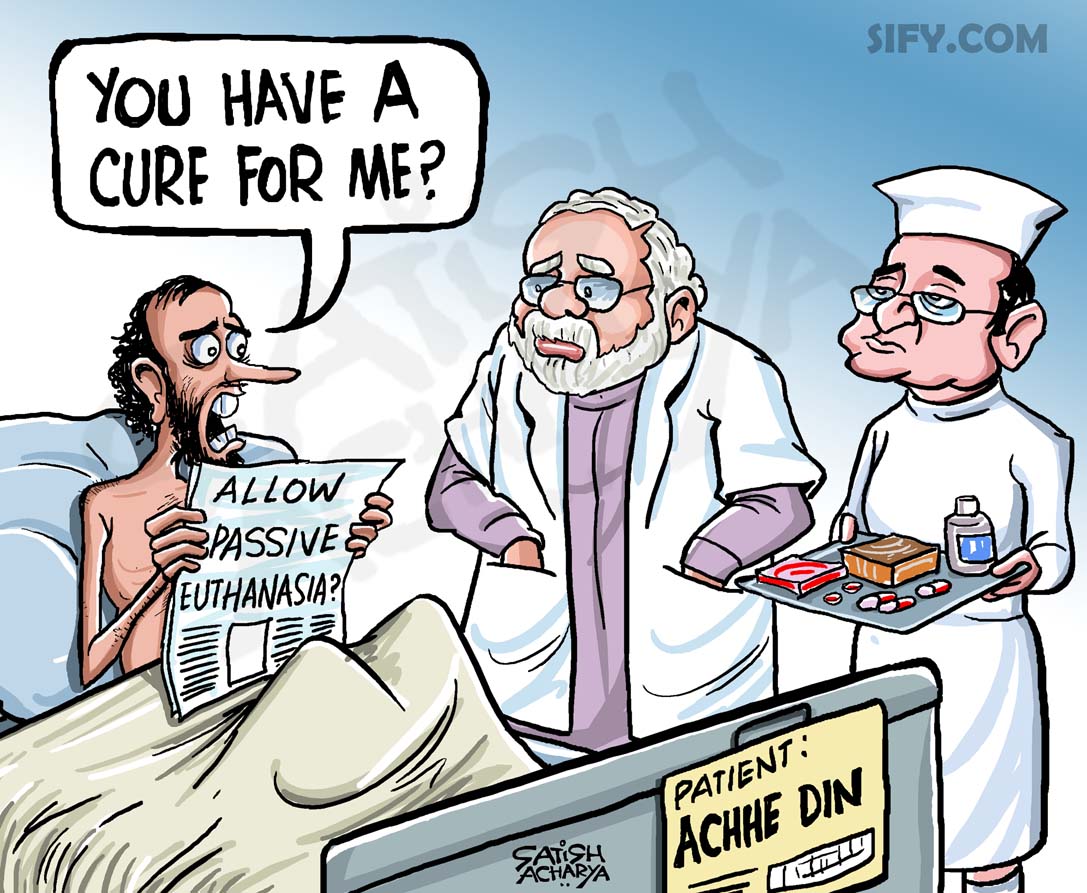




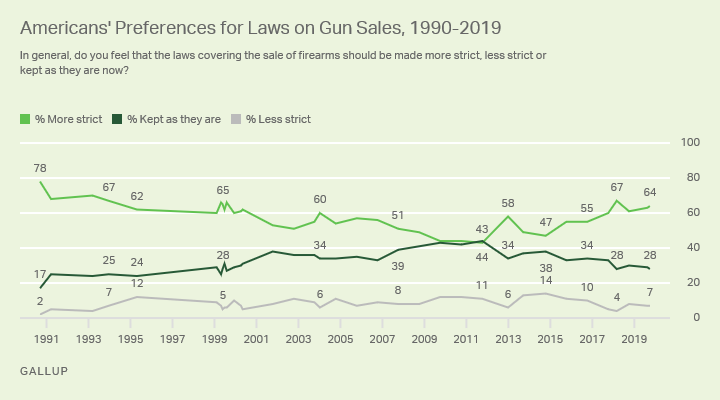





 Cosner Rhetoric
