
Almost everyone has visited a zoo at one point in their life. They’ve always been great places to spend a day and admire some of the animals that we would’ve never been able to see before. However, there is far more debate about zoos that show some of the darker aspects of a place that would seem so happy. Is it worth it to have zoos still? At what point is containing a wild animal cruelty? Is it worth it for the general public to see animals in person for them to be removed from their native habitats? Do animals have rights? All of these questions have sparked debate between clashing groups.
In an article “Why Zoos Are Good” by Dr. Dave Hone, he examines some valid reasons for why zoos should be continued. Starting off with his clear stance he states that he has worked at a zoo and is very much in favor of them. This already provides some ethos since he would have had first hand experience with how zoos work. Their value according to him has to do with conservation efforts. What is becoming increasingly known to us is that humans are causing the extinction rates of animals to soar at a rate only common in mass extinctions. He argues that zoos are so important because they can be used to breed endangered animals to be released back into the wild in a conservation effort. He clearly puts value in the conservation of animals over the ability for them to be free. He believes that only through people being able to see the animals will they be inspired to do anything for conservation. In part this puts value in people seeing the animals even though it takes away the animals ability to have any privacy. This argument ultimately relies on the logic that conservation and education are the most essential parts to helping animals.
He brings up a second argument that has a far more emotional appeal. He explains that many animals in zoos are able to live lives where they are safe, with lots of food, “and nor will they be killed in a grisly manner or eaten alive”. While his other argument uses strong logos this one uses lots of pathos. This makes his view much stronger as he incorporates both ideas. It’s very true that many of us don’t want to imagine the harsh reality of nature when we see cute penguins at a zoo. The idea of any of them being eaten as another part of the food chain sounds extremely disheartening. This puts a clear value that an animal having a peaceful life outweighs it being in captivity it’s entire life. He explains at the beginning that he really is only a fan of “good” zoos and that of course some enclosures will be too small but many will be good. This is his way of bringing up the counter argument that animals in captivity don’t get to wander freely and therefore live a worse life. By bringing up the counter argument he was able to strengthen his own ideas of how important zoos are.
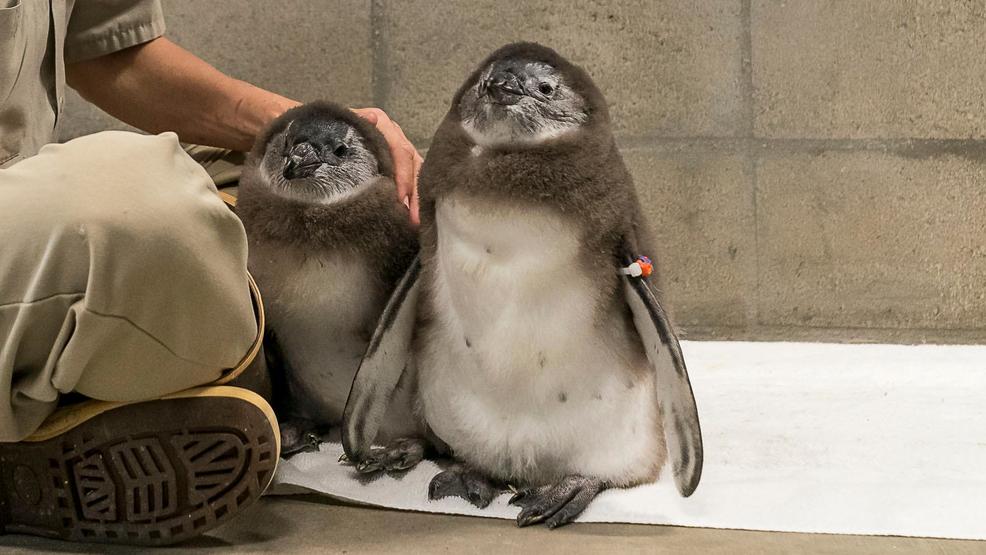
An opposing stance is written in a second article “Do We Need Zoos” by J. Westen Phippen who brings out a counter argument that shows the different sides of how zoos are actually harmful to animals. He brings up strong points on how zoos do not do enough conservation to make up for the treatment of animals in enclosures, and what effects these contained lives can have on animals.
He starts off with a story most people have become familiar with. He talks about the zoo where Harambe the gorilla was killed after a child fell into his pen and was dragged around. He immediately opens up with this story because it’s a classic, strong example of what happens when things go wrong in a zoo. This emphasizes that these are wild animals and keeping them contained for public show isn’t safe. The argument now expands to what rights do the animals have. The orcas in SeaWorld have sparked so much controversy about animals not having enough room, but he wants us to look beyond this and see that all captive animals have this problem too. To add to the problem many animals end up with mental illnesses from captivity. These are all good points that even though animals may be safer in zoos they aren’t living a life that they’re supposed to. He wants us to see animals as having basic rights and makes it clear through discussing their health over the importance of their conservation.
A second argument comes up that contradicts the last article. It states that the excuse for zoos has often been that they’re important to conservation. However he points out that, “of all the animals at the 228 zoos it accredits, only 30 species are being worked with for recovery.” If zoos aren’t primarily about conservation then their main goal shifts from what the first article implies. It moves to just being about making money and providing entertainment. He wants us to see that zoos aren’t as essential to conservation as they want to seem. He believes zoos don’t do enough for animals and instead put all their priorities in the people visiting the park. He views this as morally wrong because it hurts the animals to be in captivity and is not worth it for people to have some entertainment.
Another piece that has contributed to the argument is the video “Why Zoos Matter” by the Metro Richmond Zoo. This video is primarily focused on the importance of zoos because they improve the lives of animals in the zoo, and the zoo helps breed endangered animals. Their video plays into the common argument of conservation but also acts as a direct contrast to the idea that animals are unhappy in zoos through showing many bright and happy scenes of animals together as a family.
At the very beginning of the video it gains the interest of the audience by stating many facts about endangered animals including many of the reasons why it’s happening. They use harsh scenes of deforestation along with beautiful scenes of untouched landscapes. In doing these things they’ve made it very clear that this is about the environment and conservation more than anything. They want to take this away from being about people initially and make it solely about the animals. This already gives them a strong starting point because that is such a common reason for why zoos matter. Their video makes it clear that extinction is a terrible thing and through the images and text provided they are able to play into fear for the sake of these animals. This combination of facts and emotion makes the beginning of the video a strong hook and way of introducing their argument.
As the video continues the screen cuts to black and a recording plays of two zookeepers talking about a giraffe who’s about to give birth. We are then shown many scenes of animals giving birth and then nurturing their newborn babies. This is such a good transition because we go from learning that many animals are endangered to seeing some of these endangered animals having children. These births are used to bring hope to viewers knowing that these animals now have a stronger chance of making it because of this zoo. This is then followed up with many facts about their number of endangered animals and how many of some endangered animals were born in a span of so many years. This is mainly about how zoo conservation has helped so many species. They state that their zoo is making major efforts to combat extinction for the species they have in their zoo. Through the images they show they also have an underlying argument that these animals are happy there. The animals are never shown as sad and instead are always in bright lighting surrounded by their families or people. They never seem distressed to be around people and are painted to be living perfect lives. The zoo continues this idea by stating everything the animals have in the zoos such as food, shelter, and medicine. This gives off the strong impression that animals in zoos are living their best possible lives unlike what J. Westen Phippen stated in his article that animals often suffer from mental illnesses in zoos. Bringing up this argument enables the zoo to paint a picture of how perfect zoos are.
A final argument is made in the article “Zoos Are Outdated and Cruel – It’s Time to Make Them a Thing of the Past” by Damian Aspinall. He makes his argument stating that zoos are invalid because the animals they keep will often be unable to ever return to the wild successfully, and because zoos are more for the enjoyment of people at the expense of animals.
The beginning of the article focuses mostly on countering the main arguments about zoos such as the ones seen by Dr. Dave Hone. He gives multiple facts about how people do not actually learn that much in zoos and only about 1 in 100 people will become interested in conservation because of them. He argues that this is not enough to justify animals being held in captivity. By focusing on logos he is able to make the claim that his argument is solely based on facts and gives him far more credibility. He quickly follows this up with stating that zoo research hasn’t contributed nearly as much as they’d like people to believe. He argues that research can be done just as effectively if not better by observing animals in the wild or in conservation areas. If zoos fail to educate and research then their purposes diminish significantly. It also makes a strong statement to say that zoos are covering up how little they are able to learn from research. It diminishes their ethos and brings into question how much zoos lie about in order to remain open.
He brings up another strong point against zoos saying they’re important to conservation efforts. Not only does he reiterate the argument made by J. Westen Phippen that zoos do not have enough endangered species to be justified but he also follows this up by stating that many of these endangered animals will never be able to integrate back into the wild. Due to the breeding processes and spread of disease among these animals they are unfit for the wild making the zoos “ark” of animals simply for the enjoyment of people. This is such a strong point because knowing that animals can’t be brought back to the wild ultimately ruins the purpose of breeding them in captivity because they won’t be able to help the endangered wild population. By implying that this is only for people it makes such an important point that zoos aren’t as good as they want to appear. He makes it clear that we shouldn’t be ruining the lives of animals for the sake of our own entertainment. He is able to make this argument clear through his strong use of logos but also includes moments of pathos especially in the use of a short clip depicting a baby elephant in a roadside zoo. It’s forced to perform before people and is taught to do so by hurting the animal. He uses this heartbreaking example because it makes the argument clear that this is not just about the zoos we see commonly but also so many zoos that abuse animals too. So many zoos mistreat animals and they do not get to live their natural lives. This means that animals lack the rights he thinks they deserve.
Works Cited
Aspinall, Damian. “Zoos Are Outdated and Cruel – It’s Time to Make Them a Thing of the Past.”
The Independent, Independent Digital News and Media, 15 Aug. 2019,
www.independent.co.uk/news/long_reads/zoos-cruel-wildlife-conservation-species-a905
6701.html.
Hone, Dave. “Why Zoos Are Good.” The Guardian, Guardian News and Media, 19 Aug. 2014,
www.theguardian.com/science/lost-worlds/2014/aug/19/why-zoos-are-good.
Phippen, J. Weston. “Do We Need Zoos?” The Atlantic, Atlantic Media Company, 3 June 2016,
http://www.theatlantic.com/news/archive/2016/06/harambe-zoo/485084/.
Philpott, William/Reuters. 30 May 2016. The Atlantic, Accessed 6 November 2020.
https://www.theatlantic.com/technology/archive/2016/09/harambe-the-perfect-meme/498743/
San Diego Zoo. 8 May 2019. KSNV: Las Vegas News, Accessed 6 November 2020.
https://news3lv.com/news/offbeat/two-cute-zoo-celebrates-birth-of-first-two-african-penguin-
chicks
“Why Zoos Matter.” YouTube, uploaded by Metro Richmond Zoo, 8 January











 Cosner Rhetoric